
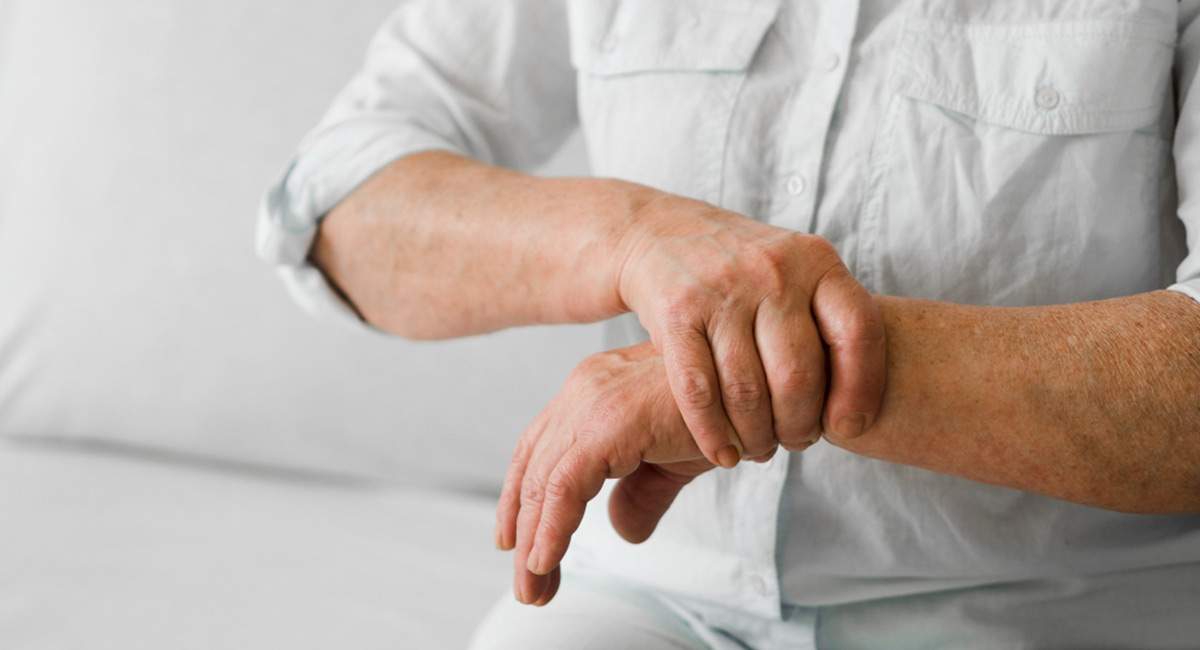
Although aging is a normal part of life, the changes it causes to our bones and joints might feel very different. Many individuals believe that stiff knees, delayed movements, cracking noises, or “morning aches” are inevitable indicators of aging. However, knowing what actually occurs inside the body can help you stay active for many years to come and better manage aging and joint pain.
In actuality, as you age, your bones and joints do alter, but you may maintain their strength, flexibility, and painlessness with proper treatment.
Let’s examine how your musculoskeletal system is impacted by aging and what you can do to safeguard it.
How Bones Change With Age
1. Bone Density Decreases
The body loses minerals and calcium as we age, which results in thinner, less dense bones. As a result, bones become brittle and more prone to fractures, a condition known as osteopenia or, in more severe cases, osteoporosis.
After menopause, women lose bone more quickly because their estrogen levels drop.
2. Slower Bone Remodeling
Your bones are always disassembling and reassembling. However, this process is slowed down by aging, which reduces overall bone strength and slows the healing process following injuries.
How Joints Change With Age
Over many years, the joints—the places where two bones meet—gradually deteriorate. Aging and joint pain are greatly exacerbated by this.
1. Cartilage Wears Down
The smooth, cushioned tissue that shields the ends of bones is called cartilage. It thins and loses elasticity over time, causing pain and stiffness when moving.
2. Synovial Fluid Decreases
Your joints are lubricated by this fluid, enabling smooth motion. Its production decreases with age, resulting in pain, stiffness, and friction.
3. Ligaments Lose Flexibility
As we age, the ligaments that join bones also become less elastic. This raises the possibility of injuries and decreases joint stability.
4. Increased Risk of Osteoarthritis
Osteoarthritis, one of the most frequent causes of chronic joint pain, is more common in older persons due to cartilage degradation and joint stress.
Common Causes of Aging and Joint Pain
Not everyone feels discomfort to the same extent. As you age, a number of variables affect how your joints feel:
- Genetics
- Previous injuries or surgeries
- Sedentary lifestyle
- Obesity
- Nutrient deficiencies
- Poor posture
- Repetitive strain from certain jobs or sports
You may modify your lifestyle and lessen joint stress by being aware of these factors.
Practical Ways to Keep Your Bones and Joints Healthy
It is inevitable to age. It doesn’t have to be pain. As you age, adopt these easy yet powerful practices to save your bones and joints.
1. Stay Physically Active
Movement is the best medicine for joints.
Best exercises for aging joints:
- Walking
- Cycling
- Swimming
- Yoga
- Strength training
- Low-impact aerobics
Frequent exercise reduces joint stiffness, increases flexibility, and preserves bone density.
2. Maintain a Healthy Weight
Additional weight increases the strain on weight-bearing joints, such as the hips and knees. Pain and inflammation can be considerably reduced by even 5–10% weight loss.
3. Eat a Joint-Friendly Diet
The management of aging and joint pain is greatly influenced by food.
Nutrients that support bone and joint health:
- Calcium: milk, curd, almonds, ragi
- Vitamin D: sunlight, fish, fortified foods
- Omega-3 fatty acids: flaxseeds, fatty fish, walnuts
- Protein: eggs, lentils, lean meats
- Antioxidants: berries, leafy greens
Drink plenty of water because even slight dehydration can cause tight joints.
4. Strengthen Your Muscles
Strong muscles enhance balance and lessen joint stress. Pay attention to:
- Quadriceps strengthening
- Core exercises
- Glute strengthening
- Shoulder and back muscle conditioning
You can follow a safe routine with the help of a physiotherapist.
5. Improve Posture
Joints may be strained by a forward-leaning neck, rounded shoulders, or slouched sitting. Maintaining proper posture helps prevent early wear and tear on the knees, neck, and spine.
6. Protect Your Joints During Daily Activities
Small adjustments can help:
- Steer clear of low surfaces when seated.
- Put on supportive shoes.
- Use your legs rather than your back to lift stuff.
- When performing repetitious chores, take breaks.
- Make use of ergonomic desks and chairs.
7. Consider Supplements (Under Medical Guidance)
A doctor may recommend:
- Calcium
- Vitamin D3
- Omega-3
- Glucosamine
- Collagen peptides
Never begin using supplements without first doing a thorough assessment.
8. Get Regular Health Check-ups
Regular examinations can identify early indicators of joint deterioration or osteoporosis. Complications and long-term incapacity are avoided by receiving therapy on time.
9. Manage Chronic Conditions
Joint discomfort can be exacerbated by autoimmune diseases, diabetes, and thyroid problems. Improving mobility and reducing inflammation are two benefits of managing these disorders.
10. Don’t Ignore Pain
While minor joint aches might not be harmful, chronic pain may indicate underlying conditions such as tendinitis, arthritis, or deficiencies. Faster alleviation results with early diagnosis.
When to See a Doctor
You ought to consult a doctor if you encounter:
- More than three weeks of joint pain
- Redness or swelling
- Walking or climbing stairs is difficult.
- Extreme stiffness in the morning
- A joint injury that doesn't get better
- An abrupt rise in discomfort
A expert can assess your illness and provide customized care.
Conclusion
Joint discomfort doesn’t have to rule your life, despite the various changes that come with growing older. You may maintain your independence, flexibility, and level of activity for many years to come by being aware of how aging affects your bones and joints and implementing easy preventative measures.
Recall that if you take the appropriate action early on, aging and joint pain can be efficiently treated. Enjoy greater mobility as you age by protecting your joints now.