
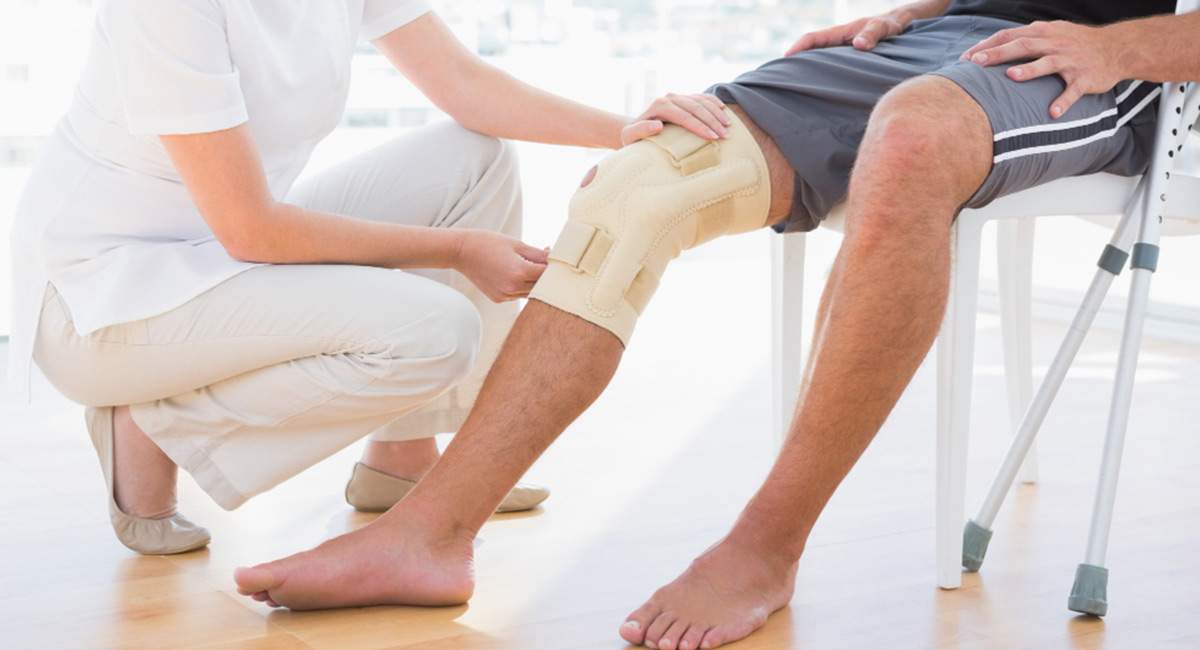
Nowadays, orthopedic injuries, those affecting the bones, joints, muscles, ligaments, and tendons, are among the most frequent causes of hospital and clinic visits. Anybody, at any age, can get these ailments from sports-related injuries, slip-and-fall incidents, or years of strain from bad posture.
The good news? With awareness, care, and a few wise lifestyle decisions, the majority of orthopedic injuries can be avoided.
The most common orthopedic injuries, their causes, and above all how to prevent them from interfering with your life will all be covered in this blog.
What Are Orthopedic Injuries?
Any harm to the musculoskeletal system, which includes the bones, joints, muscles, ligaments, tendons, or cartilage, is referred to as orthopedic injuries. From minor sprains to serious fractures and dislocations, these injuries can vary widely.
They can occur due to:
- Abrupt trauma (such as accidents or falls)
- Repetitive strain (due to bad posture or sports)
- Degenerative diseases (such as osteoporosis or arthritis)
Types of Orthopedic Trauma Injuries
1. Fractures (Broken Bones)
What It Is:
A fracture is a break in the bone that is frequently brought on by direct impact, falls, or trauma. Stress fractures, complex fractures, and hairline fractures are common forms.
Common Causes:
- falls when playing sports or off ladders or stairs
- Accidents involving cars or bikes
- Osteoporosis-related weak bones
Prevention Tips:
- Improve bone strength: Consume a diet high in calcium and, if necessary, take vitamin D supplements.
- Use protective gear: Wrist guards, knee pads, and helmets when playing sports or doing physical labor.
Fall-proof your home: Use non-slip mats, make sure there is adequate lighting, and clear away any debris.
2. Dislocations
What It Is:
When a bone slips out of its joint, it is called a dislocation. The most frequent dislocations are in the fingers and shoulders.Common Causes:
- Sports-related injuries, particularly in contact sports
- Unexpected crashes or falls
- Weak joint support as a result of arthritis or prior injuries
Prevention Tips:
- Regular exercise will strengthen the muscles surrounding the joints.
- Steer clear of dangerous activities like overreaching or improperly lifting large weights.
When participating in high-intensity sports, use braces that support your joints.
3. Sprains and Strains
What It Is:
- A strained or damaged ligament, which joins bones, is called a sprain.
- Muscles or tendons which connect muscles to bones are impacted by a strain.
Common Causes:
- Abrupt twisting movements
- Inappropriate footwear
- Excessive effort or neglecting to warm up before engaging in physical activity
Prevention Tips:
- Before working out or participating in sports, warm up.
- Put on well-fitting, supportive shoes.
- To lessen joint tension, maintain a healthy body weight.
4. Tendonitis (Inflamed Tendons)
What It Is:
Tendonitis is an inflammation of the tendons that is frequently brought on by overuse or repeated motion. Tennis elbow, golfer’s elbow, and Achilles tendonitis are common types.
Common Causes:
- Repetitive strain from typing or sports
- Inappropriate form for exercising
- Insufficient stretching prior to and following exercise
Prevention Tips:
- Take regular breaks during repetitive activities.
- Focus on proper posture and ergonomics at work.
Strengthen surrounding muscles to reduce tendon strain.
5. Rotator Cuff Injuries
What It Is:
The shoulder’s rotator cuff is a collection of tendons and muscles that stabilize the joint. Shoulder pain, weakness, and decreased mobility can result from injuries here.Common Causes:
- Overhead motions in weightlifting, tennis, and swimming
- Repetitive strain from everyday activities (such as lugging heavy bags or painting.
- Degenerative wear and tear or aging
Prevention Tips:
- Engage in shoulder and upper back strengthening exercises.
- Steer clear of abrupt, jerky lifting movements.
- In order to prevent further injury, seek treatment for shoulder pain as soon as possible.
6. ACL Tear (Knee Ligament Injury)
What It Is:
One of the most dangerous knee injuries that sportsmen frequently sustain is an ACL (anterior cruciate ligament) tear. It may result in knee instability, discomfort, and edema.Common Causes:
- During sports, abrupt direction shifts or pivoting
- Inaccurate landing following a jump
- A collision or a direct blow to the knee
Prevention Tips:
- Include flexibility and balance training in workouts.
- Strengthen thigh and hamstring muscles for knee support.
- Use proper footwear and sports gear designed for stability.
7. Carpal Tunnel Syndrome
What It Is:
This disorder is brought on by compression of the median nerve in the wrist, which results in hand weakness, tingling, and numbness.Common Causes:
- Hand motions that are repeated, such as typing, writing, or working on an assembly line
- Inadequate wrist alignment
- Underlying diseases such as arthritis or diabetes
Prevention Tips:
- At your desk, keep your posture ergonomic.
- Make use of ergonomic keyboards and wrist rests.
- During breaks, flex and stretch your hands.
8. Arthritis-Related Joint Injuries
What It Is:
Inflammation and progressive joint damage brought on by arthritis, especially osteoarthritis, result in stiffness, pain, and decreased mobility.Common Causes:
- Age-related deterioration of cartilage
- Prior joint injuries
- Sedentary lifestyle or obesity
Prevention Tips:
- Engage in low-impact activities to stay active, such as swimming or walking.
- To lessen the strain on joints, maintain a healthy weight.
- For joint health, consume foods high in antioxidants and omega-3 fatty acids.
9. Spine and Back Injuries
What It Is:
Back injuries, which impact the muscles, discs, or vertebrae in the spine, are among the most frequent orthopedic ailments.Common Causes:
- Long periods of sitting and bad posture
- Incorrectly lifting large weights
- Lack of core strength or a sedentary lifestyle
Prevention Tips:
- When standing and sitting, keep your posture straight.
- Make use of ergonomic desks and seats.
- Use Pilates or yoga to strengthen your core.
- Avoid using improper form when lifting large weights.
When to See an Orthopedic Specialist
You should seek medical attention if you experience:
- Persistent stiffness, edema, or pain
- Inability to move a limb or joint
- Weakness, tingling, or numbness
- Bone displacement or visible deformity
An orthopedic specialist’s early diagnosis and treatment can help ensure a quicker recovery and prevent long-term harm.