
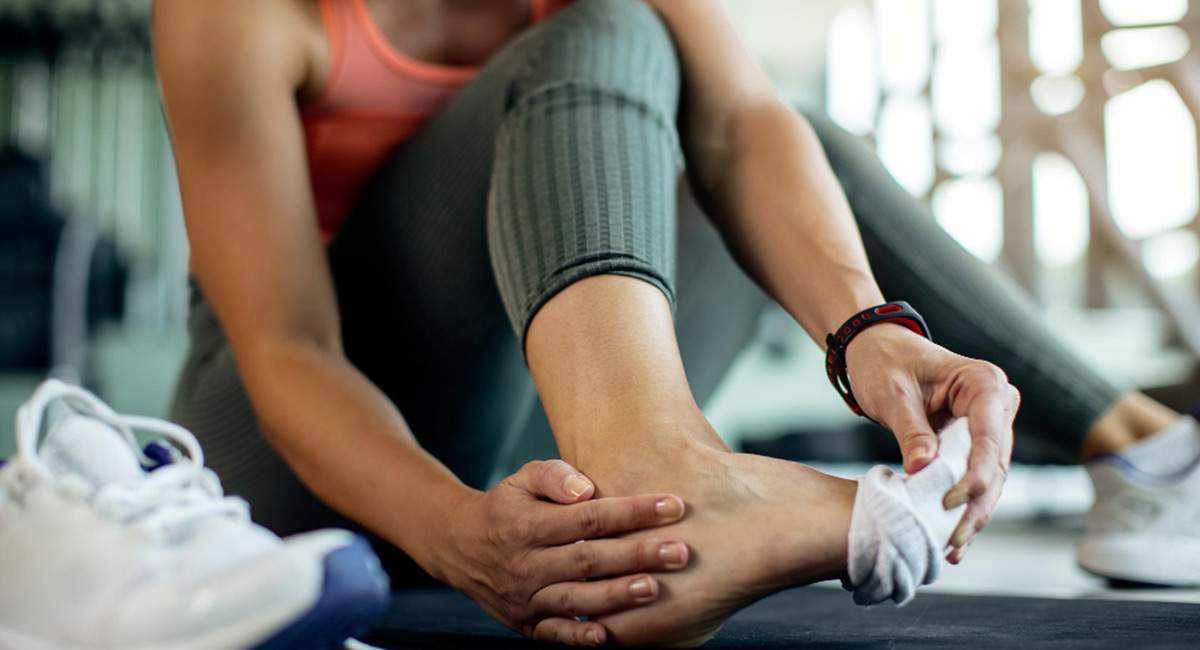
A bent knee. a muscular pull. a shoulder ache following a game.
“Rest for a few days” is the standard advice for most sports injuries. Indeed, sometimes relaxation is beneficial.
Not always, though.
Some injuries require more than just time and ice packs. Ignoring them or ignoring pain can cause long-term harm from a minor issue. The secret to treating sports injuries properly is knowing when rest is insufficient.
Let’s discuss which injuries require immediate orthopedic sports care.
When “Play Through the Pain” Backfires
Weakness is not pain. It’s data.
Pain is frequently a sign of structural injury rather than simple muscle tiredness if it lasts, gets worse, or restricts movement. Orthopedic examination is important in this situation.
1. Instability Caused by Ligament Injuries
Joints are held together by ligaments. Joints lose stability when they are injured.
Typical instances:
- Knee ACL or PCL injuries
- Recurrent sprains of the ankle ligaments
- Unstable shoulders following a fall
Indications not to be disregarded:
- Joint giving way
- Instability to settle swelling
- Pain as the direction shifts
Seldom does rest alone result in full healing of a ligament injury. Recovery is enhanced and future joint injury is avoided with early diagnosis.
2. Tears in the Muscles (Not Just Strains)
Soreness and a muscle tear are quite different things.
Among the warning signs are:
- Abrupt, intense pain when engaging in an activity
- Bruising or obvious edema
- Deterioration of strength
- Even slight movement causes pain
In addition to rest, partial or total muscle injuries may require imaging, supervised rehabilitation, and occasionally intervention.
3. Athletes with Persistent Shoulder Pain
Shoulder soreness might result from exercising in the gym, swimming, and throwing sports.
Seek orthopedic care if:
- Pain lasts more than 2–3 weeks
- Pain happens in the night.
- You weaken or are discovered
Without thorough therapy, labral tears and rotator cuff issues may not always resolve.
4. Knee injuries that swell or lock
After sports, knee pain is typical. However, some signs suggest more.
Be cautious of:
- Locking or catching the knee
- Chronic edema following an activity
- Soreness when twisting or squatting
In order to avoid meniscus tears and cartilage damage, which can result in early arthritis, specialized sports injury management is frequently required.
5. Recurrent Ankle Injuries
Recurrent ankle sprains, even months after the first injury, are not considered “bad luck.”
Frequent sprains indicate:
- Elasticity of the ligaments
- Inadequate joint stability
- Inadequate recuperation
Regaining stability, strength, and balance with orthopaedic sports care lowers the risk of additional injuries.
6. Pain That Persists After Rest
A straightforward guideline is that an assessment is required if soreness persists for more than 10 to 14 days following rest.
Usually, persistent soreness means:
- Incomplete recovery
- Structural damage
- Insufficient biomechanics
Without a diagnosis, rest delays recovery.
The Actual Purposes of Sports Orthopedic Care
When you consult an orthopedic specialist, surgery is not required.
Orthopedic evaluation is advantageous:
- Identify the specific injury
- Find out what needs to be imaged (MRI, X-ray)
- Create a structured recovery program
- Don't get harmed again
- Assess the necessity of the intervention
Most athletes return to sport without surgery when injuries are managed promptly.
The Value of Prompt Intervention
If left untreated, sports injuries can lead to:
- Extended discomfort
- Reduced effectiveness
- Joint instability
- Arthritis in its early stages
- Recurrent injuries
In addition to improving performance, early therapy maintains long-term joint health.
Rest Is Part of Treatment—Not the Whole Treatment
Rest is essential. But it’s only one piece.
Effective sports injury treatment combines:
- Accurate diagnosis
- The rest is under control.
- Targeted rehabilitation
- Gradually getting back into sports
Setbacks often occur when steps are skipped.
Conclusion
Some sports injuries definitely need more than just rest, but not all of them call for critical care.
If the joint feels unstable, movement is limited, or pain persists, orthopedic sports treatment is required. Early intervention improves outcomes, expedites recovery, and enables you to safely return to your favorite activities.
Because educated recovery always works better than rest.