
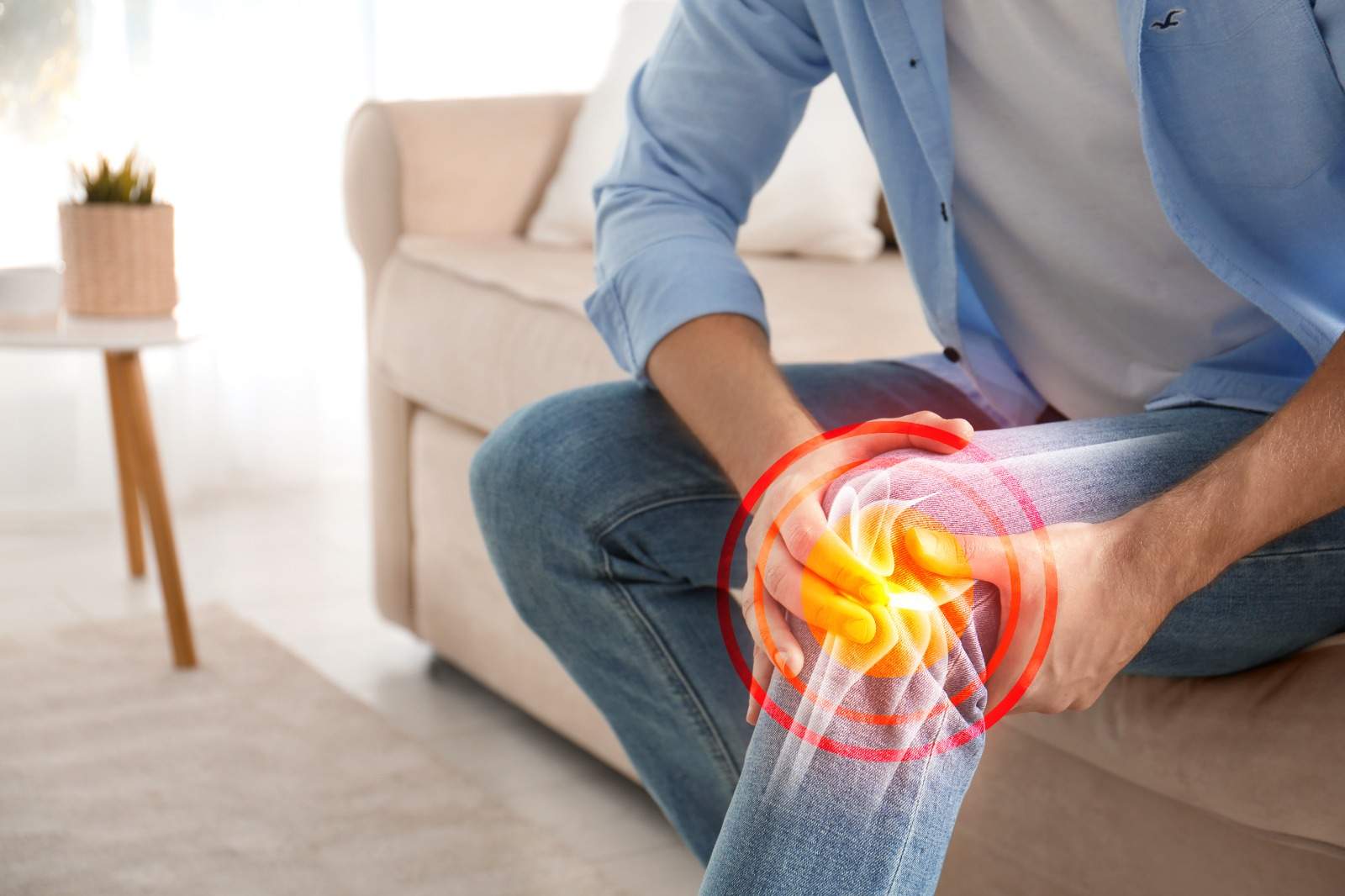
It usually starts off quietly.
A little pain when going up stairs, a little stiffness after sitting for too long, or maybe a dull aching that comes and goes.
A lot of people don’t pay attention to these early signs. They remark, “It’s just tiredness.” Or age. Or maybe it was just a long day.
But they are sometimes the initial indicators of knee arthritis.
And getting them early can make a major difference.
What Is Knee Arthritis, Exactly?
Knee arthritis is when the cartilage that protects the joint slowly wears away. This causes pain, swelling, and less movement over time.
What makes it hard?
It doesn’t usually start with a lot of suffering. In reality, the first signs of knee arthritis are generally modest and easy to miss.
1. Morning joint stiffness that takes a while to go away
You wake up, stretch your legs, and feel tightness around your knees.
Not really painful, but something doesn’t feel right.
If your joints are stiff for more than a few minutes on a frequent basis, it could be a sign of something more serious. A lot of individuals think it’s “normal,” but you shouldn’t disregard persistent stiffness.
2. Pain when going up stairs
One of the first and most typical indications.
If your knees pain as you go up or down stairs or simply when you get up from a chair, it could be a sign that your joints are starting to wear down.
People generally ignore this kind of pain because it comes and goes at first.
3. Sounds of clicking or grinding
Have you felt a clicking or grinding feeling in your knees?
This is called crepitus.
It is natural to hear sounds from time to time, but if you hear them often and they hurt, it could mean that your cartilage is damaged, which is an indication of arthritis.
4. Swelling around the knee
Don’t ignore even moderate swelling.
When the joint is inflamed, the knee may look a little swollen or feel warm to the touch. You might not always be able to see it, but you might sense tightness or pressure.
This is your body’s method of telling you that something is wrong.
5. Less range of motion
Is it getting tougher for you to fully bend or straighten your knee?
You might not squat or sit cross-legged because it hurts.
This slow loss of movement is another early symptom of knee arthritis.
6. Pain After Activity (Not Just During)
It’s interesting that early arthritis pain generally happens after action instead of during it.
You might feel great while walking, but later you might find that your knee hurts or is uncomfortable.
It’s easy to dismiss this suffering that comes later, yet it matters.
7. The knee feels weak or unstable
Some people say it feels like “giving way.”
The knee may not feel as stable, especially when walking on uneven ground. This happens as the joint structure gets weaker over time.
Why It's Important to Find Out Early
This is what…
It doesn’t happen overnight that you get knee arthritis. It becomes worse over time.
If caught early, basic therapies like changing your lifestyle, getting physical therapy, and proper knee pain treatment can slow down the disease’s course and make you feel a lot better.
A lot of the time, waiting too long makes treatment more complicated later.
When to Make an Appointment with an Orthopedic Doctor
If you have any of these symptoms for more than a few weeks, you should see an orthopedic doctor.
Especially if:
- Don't sleep on the side that hurts
- Put a pillow under your arm to support it
- Don't roll your shoulders forward; keep them relaxed
- Use ice or heat if told to
- Don't dismiss stiffness or weakness that comes on early
Early evaluation can help find the problem before it becomes worse.
If you want specialist care, arthritis treatment in Kolkata is a good alternative. They offer advanced diagnosis and treatment regimens that are specific to each patient’s condition.
Conclusion
Before it starts roaring, knee arthritis typically murmurs.
A little tightness. A little amount of pain. Small modifications in how things move.
It’s easy to miss, but it’s vital to pay attention to.
If you pay attention to your body early on, you can be active, mobile, and pain-free for longer.
Because sometimes…
Your body is asking for help with small indications before the situation gets worse.