
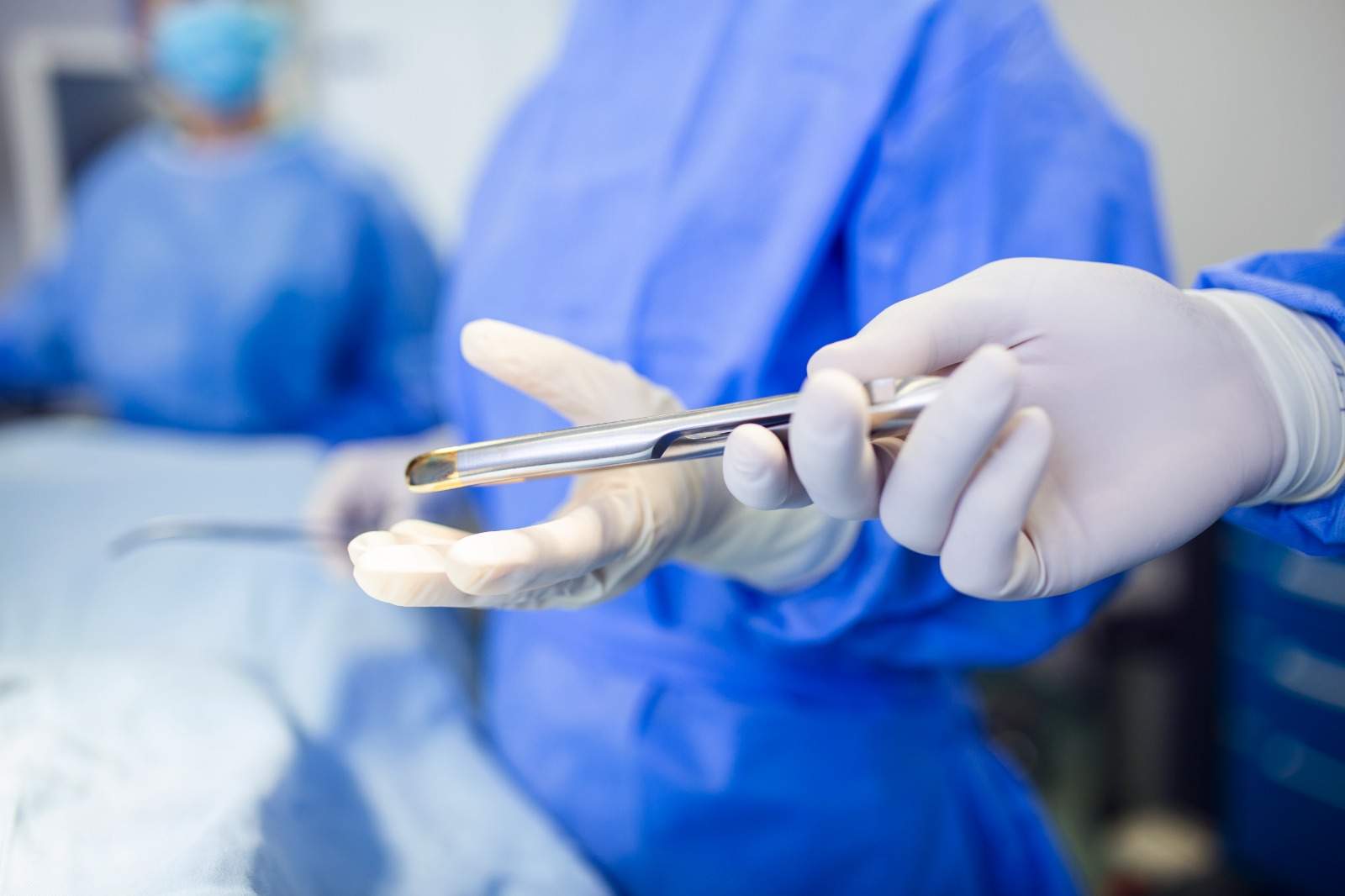
Surgery on bones and joints was once associated with long cuts, extended stays in hospital, and months of waiting before normal life could be resumed, though that picture has now changed considerably. Minimally invasive orthopedic procedures are being used for a wide range of joint problems, and the difference is felt by patients from the very first week after the operation.
What Is Meant by Minimally Invasive Orthopedic Procedures
The term is often misunderstood as a smaller scar and nothing else. What is actually done is an operation carried out through two or three small openings, with a camera and narrow instruments passed inside the joint. Muscles and tendons are moved aside rather than cut, and this is where most of the advantage comes from.
Minimally Invasive Orthopedic Surgery Benefits That Are Noticed Early
The gains are not only cosmetic, and the following are the minimally invasive orthopedic surgery benefits reported most often:
- Reduced blood loss
- Less pain in the first few days, so fewer painkillers are needed
- A hospital stay of one or two days instead of a week
- Smaller scars
- Lower chance of wound infection, since the exposure of tissue is limited
- Walking is begun earlier, often on the same day
Minimally Invasive Knee Surgery and What Is Treated Through It
Arthroscopy of the knee is the most familiar example. Torn meniscus, damaged cartilage, loose fragments inside the joint, and ligament injuries are dealt with in this manner. Partial knee replacement also falls under minimally invasive knee surgery, since only the damaged compartment is resurfaced while the healthy portion of the joint is left undisturbed.
Minimally Invasive Hip Surgery and the Approach That Is Used
In the hip, the benefit comes from the route taken to reach the joint. The surgeon works between the muscle planes rather than cutting through them with an anterior approach. Minimally invasive hip surgery of this kind is associated with earlier walking, though it demands specialized instruments and a surgeon trained in the technique.
Conditions For Which Minimally Invasive Joint Surgery Is Advised
A fairly long list of problems can now be handled this way:
- Meniscus and cartilage injuries of the knee
- Rotator cuff tears and shoulder impingement
- Frozen shoulder that has not responded to physiotherapy
- Carpal tunnel syndrome
- Ankle instability and loose bodies in the ankle joint
- Selected fractures where fixation can be done through small openings
Minimally invasive joint surgery is not a single operation but a family of techniques.
Minimally Invasive Orthopedic Surgery Recovery, Stage by Stage
Healing is quicker, yet it is not instant, and the stages are explained before discharge:
- The first week, when swelling settles and the dressing is changed
- Weeks two to four, during which physiotherapy is started in earnest
- Six weeks onwards, by which time desk work and driving are usually permitted
- Three months for heavier activity
Minimally invasive orthopedic surgery recovery is therefore counted in weeks rather than months for most patients.
Who Can Benefit From These Procedures
Patients with early or moderate joint damage, those who are otherwise reasonably fit, and younger people with sports injuries gain the most. Age by itself is not a barrier, since elderly patients often benefit more from a shorter anesthesia time and quicker mobilization. The minimally invasive orthopedic surgery benefits are greatest in this group. Suitability is decided after imaging rather than on the basis of preference.
Limitations That Should Be Known
Not every case is suitable, because severe deformity, advanced arthritis with bone loss, revision operations, and complex fractures usually require the conventional open method. Minimally invasive orthopedic surgery recovery varies from person to person. There is also a learning curve involved, and the results depend heavily on the experience of the team, since a smaller cut performed badly is of no value to anybody.
Minimally Invasive Orthopedic Procedures - Questions Worth Asking
Before agreeing to any date, it is reasonable to ask how many such cases have been done by the surgeon, whether the implant or instruments required are available, and what the plan will be if the procedure has to be converted to an open one midway. Clear answers to these usually tell you enough.
An experienced surgeon offering Minimally Invasive Orthopedic Surgery in Kolkata like Dr. Saem Ishtiaque, will tell you whether your joint is suited to it.
A Smaller Cut Is Only Part of the Story
The appeal of minimally invasive joint surgery lies in the speed of return to ordinary life, which is what most patients want. But the decision should rest on the condition of the joint and not on the size of the scar. A proper assessment will determine whether minimally invasive knee surgery or minimally invasive hip surgery is the right route for you.