
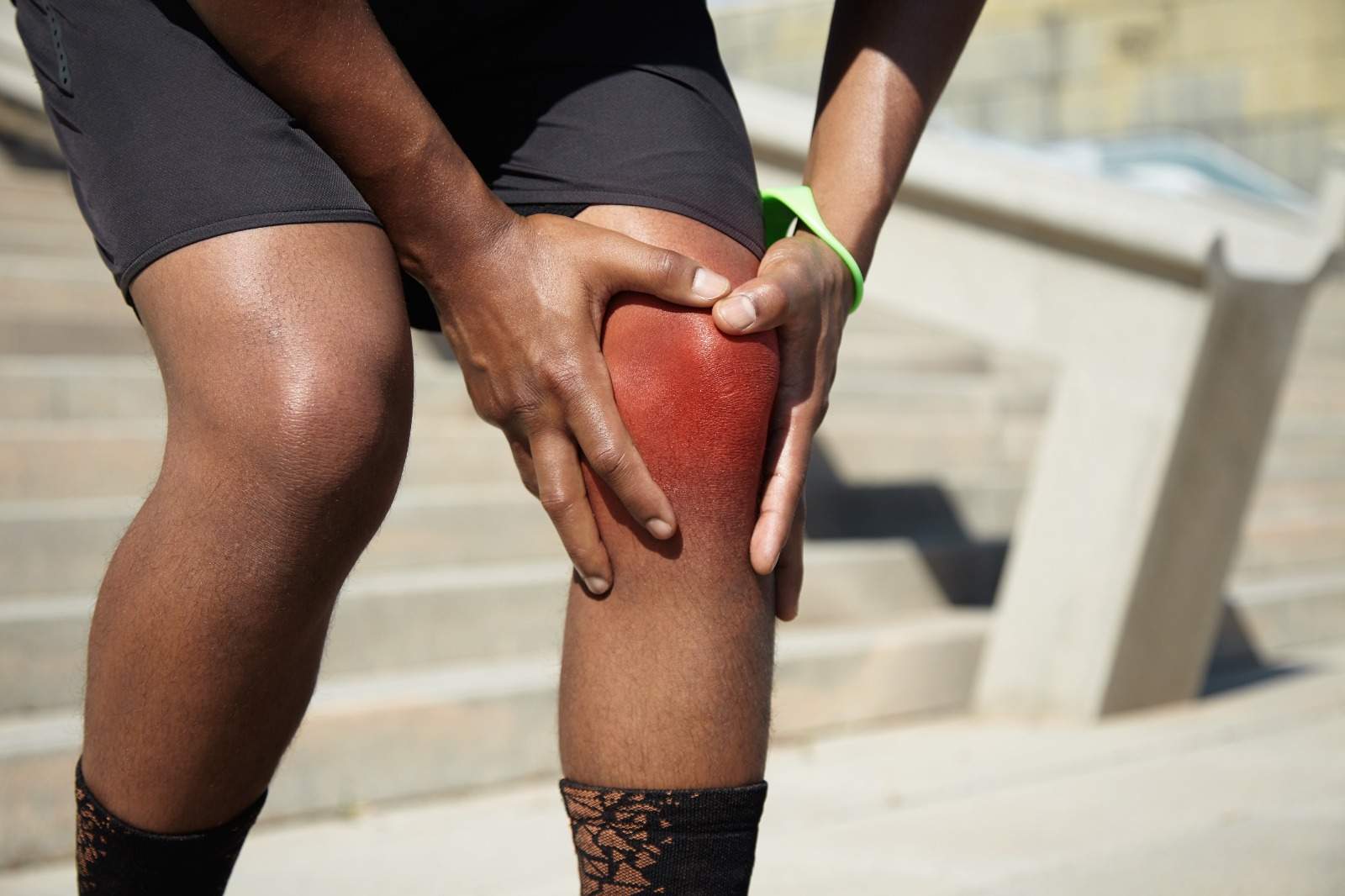
It is not a fracture. But it is not minor either. Here is everything you need to know about bone contusion.
You twisted your ankle. Or took a hard hit during a sport. The X-ray looks clear. But the pain just will not go away. That could be a bone bruise. It is deeper than a skin bruise. It hurts more and heals more slowly. Many people do not even know they have one. Understanding it is the first step to recovery.
What Is a Bone Bruise?
So, what is a bone bruise exactly? It is an injury to the bone tissue. The outer bone surface stays intact. But the inner layer gets damaged. Tiny internal bleeding occurs inside the bone. This causes pain, swelling, and tenderness.
A bone bruise, also called a bone contusion, is a type of injury. It is more serious than a soft tissue bruise. It is less severe than a full fracture. But it still needs proper care and rest.
Common Bone Bruise Causes
Bone bruise causes vary widely. But most involve sudden impact or stress.
- Sports injuries: Falls, collisions, and tackles are common triggers.
- Accidents: Road accidents often cause deep bone bruise injuries.
- Twisting injuries: A bad ankle or knee twist can bruise the bone.
- Repetitive stress: Repeated impact over time damages bone tissue.
- Direct blow: A hard hit to any bone can cause contusion.
Anyone can get a bone bruise. Athletes and active individuals are at higher risk. Age and bone density also play a role.
Bone Bruise Symptoms to Watch For
Bone contusion symptoms can feel similar to fractures. That makes them easy to miss or misread.
Key bone bruise symptoms include:
- Pain: Deep: aching pain at the injury site.
- Swelling: The area swells up fairly quickly.
- Tenderness: Even light touch causes discomfort.
- Stiffness: The joint near the affected area may feel stiff.
- Skin discoloration: Bruising may appear on the surface.
- Limited movement: Moving in the area becomes difficult.
A deep bone bruise tends to hurt more. Pain can last weeks or even months. Do not ignore persistent bone pain after an injury.
How Is Bone Bruise Diagnosis Done?
A physical exam is the starting point. Doctors look for swelling and tenderness. After that, they can ask you about any past injuries.
Imaging tests confirm bone bruise diagnosis.
- X-ray: Rules out fractures. Cannot detect bone bruises directly.
- MRI scan: The most reliable tool for bone bruise diagnosis. It shows internal bone damage clearly.
- CT scan: Used when more detail is needed.
MRI is the gold standard here. It gives doctors a complete picture of the damage inside.
Bone Bruise Treatment Options
Bone contusion treatment depends on severity. Most bone bruises heal with conservative care.
Standard bone bruise treatment includes:
- Rest: Avoid putting weight on your pain area.
- Ice therapy: Apply ice for 15–20 minutes at a time. Reduce swelling and pain this way.
- Elevation: Keep the injured limb raised when resting.
- Compression: A bandage helps control swelling.
- Pain medication: Anti-inflammatory drugs ease pain and swelling.
- Physiotherapy: Restores strength and movement after healing.
- Bracing or support: Protects the area during recovery.
In rare cases, surgery may be needed. This happens when other structures are damaged as well. Your doctor will guide the right course of action.
Bone Bruise Recovery Time
The recovery period for bone bruising varies from one person to another. The time required for mild bone bruises to recover ranges from six to eight weeks, whereas severe bone bruises take more time to recover, ranging from three to six months.
Factors influencing the recovery period include:
- Where the bruise is located
- The severity of the bruise
- Your age and general health condition
- Whether you follow treatment recommendations or not
It is always advisable not to rush to resume your normal activities, as this may further aggravate your condition.
When to See a Doctor
Some pain from injuries can be anticipated. However, some symptoms should not be ignored.
You must seek medical assistance if you experience:
- Increasing pain despite periods of rest
- Serious swelling that continues to worsen
- Inability to walk or move properly due to pain
- Problems persisting for more than a few weeks
Early treatment will prevent complications. It will also help you heal faster.
A bone bruise causes severe pain and is often underrated. It requires appropriate rest and treatment. Disregarding a bone bruise may result in an extended healing period and even more serious complications. Should you have any doubts about suffering from a bone contusion, consult a specialist without any delay.
Are you suffering from bone pain, or have you recently injured your bones? Don’t hesitate to contact our Orthopedic doctor in Kolkata immediately.