
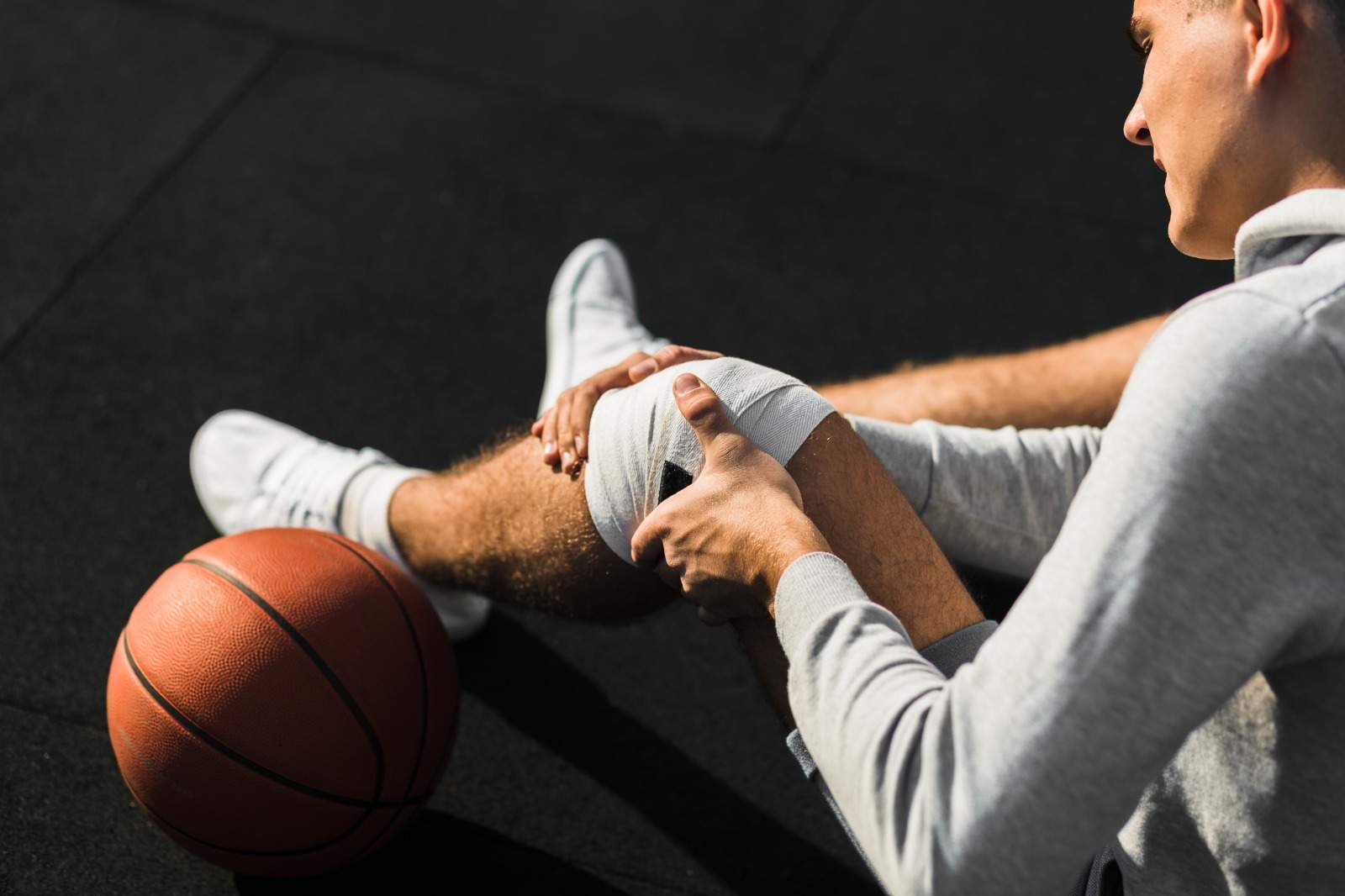
A twisted knee on a Sunday football ground is treated by most people with an ice pack and a week of rest, and sometimes that is all that is needed. But injuries involving ligaments, cartilage, or tendons behave differently, and they rarely settle on their own. What has changed over the last decade is the speed at which such injuries can be identified and put right.
Why Sports Injury Diagnosis Comes First
Guesswork is expensive in sport, since a meniscus tear and a simple ligament sprain can feel identical in the first week, yet each requires very different treatment. An accurate sports injury diagnosis therefore decides everything that follows, including how long the player stays away from competition.
How the Sports Injury Diagnosis Is Reached
More than one method is used, and the findings are put together rather than read in isolation:
- Details of how the injury occurred, which often gives away the structure involved
- Clinical tests of the joint, such as the Lachman test for the knee
- X-rays to rule out fracture
- MRI, which shows ligaments, cartilage and tendons that an X-ray cannot
- Ultrasound for muscle and tendon problems, done quickly and at lower cost
Where the sports injury diagnosis is delayed, the damage tends to spread to neighbouring structures.
Injuries That Are Seen Most Often
The pattern depends on the sport, though a handful of problems account for the bulk of the clinic load:
- ACL and meniscus tears in football and kabaddi
- Rotator cuff and shoulder dislocation in cricket and swimming
- Tennis elbow, which is not confined to tennis players
- Ankle sprains that keep recurring
Sports Injury Treatment Options Available Today
Not everything requires an operation, and the sports injury treatment options are usually tried in order of severity:
- Rest, bracing, and graded loading for minor strains
- Anti-inflammatory medicines for the first few days
- Supervised physiotherapy, which does most of the work in the majority of cases
- Injections into the joint where inflammation is persistent
- Keyhole surgery for tears that will not heal by themselves
Arthroscopic Surgery for Sports Injuries and Where It Fits In
Keyhole work has replaced the long cut in most joint operations. Through two or three small openings a camera is introduced, and the repair is carried out while the rest of the joint is left alone. Arthroscopic surgery for sports injuries is used for meniscus repair, ligament reconstruction, removal of loose fragments, and shoulder stabilisation. Blood loss is minimal and the hospital stay is short, which is why arthroscopic surgery for sports injuries is now preferred by most athletes.
Injection-Based Methods That Are Being Used
Platelet rich plasma, prepared from the patient’s own blood, is injected into the injured tendon or joint in selected cases. Results vary from person to person, and the evidence is stronger for some conditions than for others. Such methods are offered as part of advanced sports injury treatment rather than as a replacement for rehabilitation.
Sports Injury Rehabilitation, Stage by Stage
The operation is the shorter half of the story. Sports injury rehabilitation decides whether the player returns to the same level or settles for less:
- Swelling control and restoration of full movement in the first two weeks
- Strengthening work from about the third week onwards
- Balance and proprioception training, which is skipped far too often
- Sport-specific drills before any return to the field
- Clearance testing
Sports injury rehabilitation cut short is the most common reason for the same injury returning.
Why We Shouldn’t Rush Back to Play
The pressure of a tournament date has ended many careers before their time. The graft takes months to get strong, and the muscles around the joint take just as long to come back. If the schedule is honoured the chance of a second injury on the same side drops dramatically.
What has changed in advanced sports injury management
Athletes who would have been ordered to quit their sport years ago are back on the pitch within months. Smaller incisions, better imaging, more powerful fixation devices and rehab methods that are based on measurement, not guess work, have all helped. So, then, advanced sports injury therapy is less about one new technique and more about tightening the full chain.
An experienced specialist offering sports injury treatment in Kolkata like Dr. Saem Ishtiaque, will decide whether surgery or conservative care suits your case.
The Injury Is Only the Beginning of the Work
Weekend players and professionals both make the same mistake, which is to treat the pain and ignore the cause. When sports injury treatment options are chosen properly and rehabilitation is completed, most athletes return to what they were doing before. Advanced sports injury treatment has made that outcome ordinary rather than exceptional.