
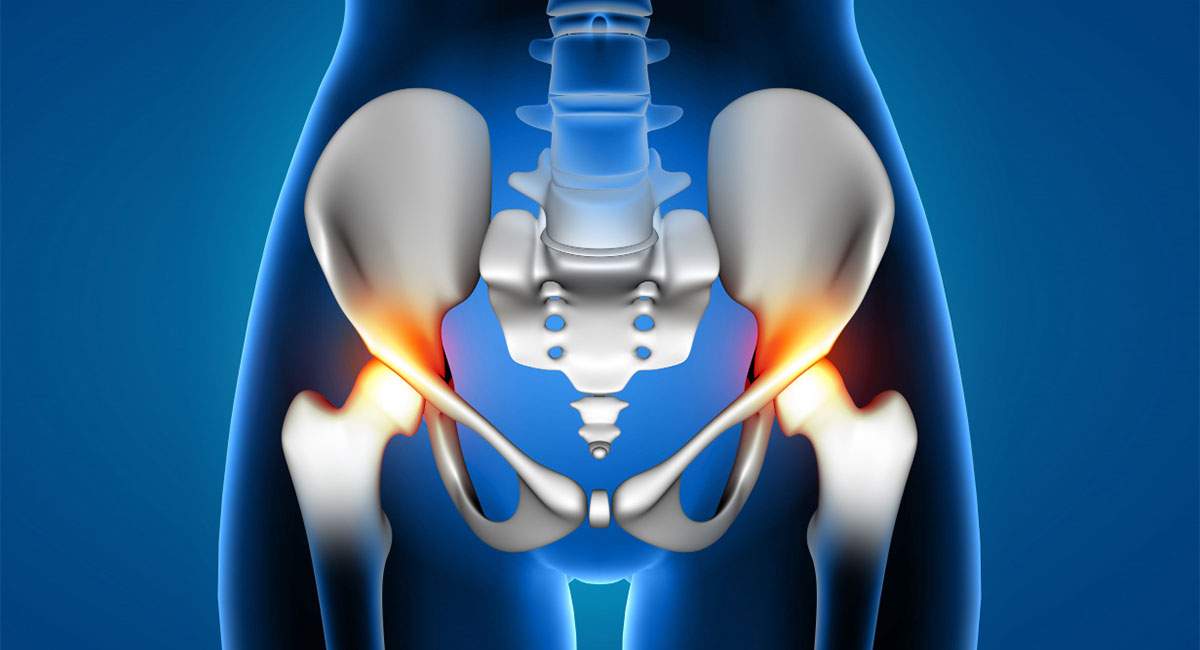
Hip pain can significantly limit one’s mobility and mostly involves activities in everyday life. If you have exhausted all forms of medication, physical therapy, and other treatment avenues without success, hip replacement surgery may be the only option.
Grasping how the process functions can give you more confidence and prepare you better. Here is all you need to know before, during, and after hip replacement surgery.
Before Hip Replacement Surgery
1. Symptoms That May Warrant Hip Replacement
- Persistent hip pain that limits daily activities
- Pain when trying to stand or climb stairs
- Restriction of movement with stiffness
- Medications or therapeutic procedures have done little to help relieve pain.
- X-ray or MRI confirms damage in the hip joint.
2. Preparations before surgery
- Medical Evaluation: Your doctor will perform tests to make sure you are healthy enough for the surgery.
- Exercises Pre-Invasive: Strengthening the muscles around your hip can speed up recovery.
- Home Preparations: Arrange your home for a comfortable recovery, such as installing grab bars and keeping essentials reachable.
- Medical & Diet: Follow the surgeon's pre-surgery instructions for medications and dietary changes.
During Hip Replacement Surgery
1. Overview of the Procedure
A joint surgeon, specializing in hip replacements, removes the damaged hip joint and substitutes it with an artificial joint. This procedure can be executed in two ways.
- Total Hip Replacement (THR): The whole joint will be replaced.
- Partial Hip Replacement: Only the portion of your hip that is defective will be replaced.
2. Types of Surgeries
- Traditional Surgery: Surgical procedure where a big cut is performed to reach the hip joint.
- Minimally Invasive Surgery: Smaller cuts lead to better recovery and less scarring.
3. Duration and Anesthesia
- 1 - 2 hours is usually the duration of surgery.
- Spinal or general anesthesia will be applied so that the procedure can be done painlessly.
- After Hip Replacement Surgery
After Surgery
1. Immediate recovery
- You will be kept in a recovery room for a few hours.
- Pain management will be done via medications.
- Early movement is encouraged for complications prevention.
2. Rehabilitation & Physical Therapy
- First days: You will either be using a walker or crutches.
- First week: Regaining strength and mobility was performed.
- Long-term recovery: Most will be back to normal within 3-6 months.
3. Tips for Smooth Recovery
- Follow your physical therapist's overall supervision for exercises.
- A healthy diet during the healing process.
- High-impact activities on your new hip remain avoided.
- Find Out the Adequate Hip Replacement Surgeon
Choosing an experienced hip replacement surgeon in Kolkata can be influential in achieving a successful outcome. The surgeon’s expertise ensures fewer complications and a smoother recovery process.
This surgery can change a life. Hip replacement surgery involves a significant shift toward improved mobility and consequently quality of life. So, today, visit a hip replacement surgeon in Kolkata to know whether you fit the treatment. Do not let hip pain rule your life- begin your first step toward a pain-free tomorrow!