
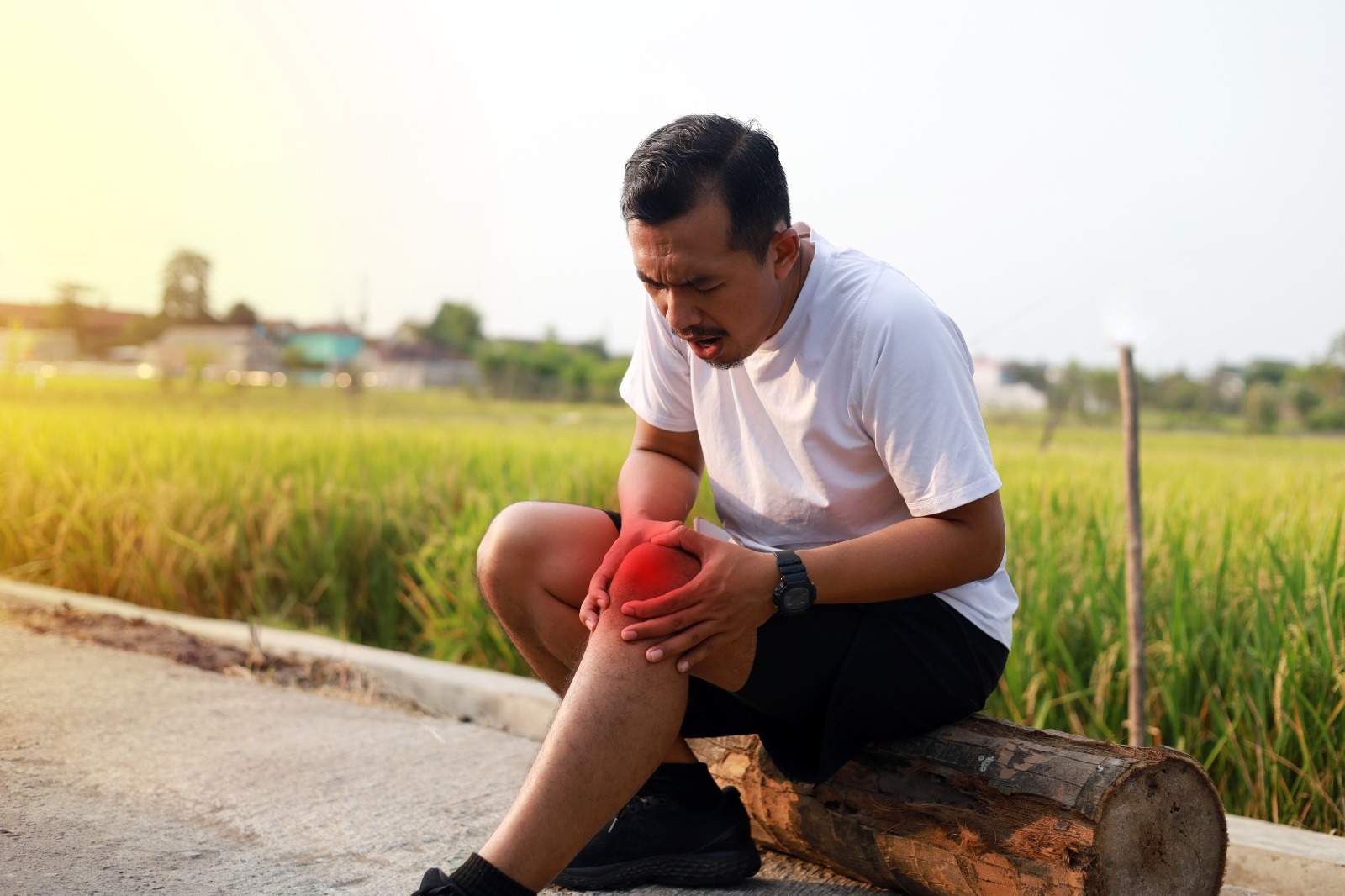
The knee joint is considered one of the joints used most in the body. The knee joint flexes, rotates, and bears shock almost daily. As a result, ligament injury and knee ligament tear become a common problem.
The stability of this joint is maintained by four vital ligaments, and the ACL plays a crucial role among them. When there is damage to this ligament, everything changes.
ACL Injury Definition: What Exactly Is It?
The ACL injury definition starts with knowing what the ACL means. ACL stands for Anterior Cruciate Ligament. This ligament is placed diagonally through the human knees. It connects the thighbone to the shinbone. Its job is to control rotation and forward movement.
A ligament injury happens when tissue is overstretched or torn. The ACL is especially vulnerable during sudden movements. When it tears partially or fully, the knee loses stability. This is called an ACL tear or knee ligament tear.
It is one of the most common sports injuries worldwide. But it doesn’t only happen to athletes. Anyone can suffer from it during everyday activities.
ACL Injury Symptoms: What Does It Feel Like?
Symptoms appear almost immediately after injury. They are hard to miss. Knowing the signs helps you act fast.
Common ACL injury symptoms include:
- A loud "pop" sound at the moment of injury
- Suddenly, severe pain in the knee
- Rapid swelling within a few hours
- A feeling that the knee "gave out."
- Inability to bear weight on the leg
- Stiffness and reduced range of motion
- Instability when walking or turning
Some people feel the pop clearly. Others just feel the knee collapse. Either way, the pain and swelling arrive quickly. Do not walk it off. This ligament injury needs prompt attention.
ACL Injury Causes: Why Does It Happen?
A knee ligament tear rarely happens without reason. Certain movements and conditions put the ACL under extreme stress. Here are the most common ACL injury causes:
1. Sudden direction changes:
Pivoting fast puts massive force on the ACL. Common in football and basketball.
2. Stopping abruptly while running:
The sudden change in momentum strains the ligament severely. It can snap without any contact
3. Landing incorrectly from a jump:
Poor landing mechanics overload the knee joint instantly.
4. Direct impact or collision:
Direct impact or collision: A hit to the outer knee pushes it inward. This often tears the ACL
5. Hyperextension of the knee:
Bending the knee too far backward overstretches the ACL dangerously.
6. Weakened muscles around the joint:
Weakness in the hamstring muscles and quadriceps leaves the ACL without protection. The ligament then tries to compensate for this problem, ultimately failing.
7. Inappropriate shoes:
Inadequate traction or poorly fitting shoes can influence force transfer into the knee joint.
8. Uneven playing surface:
Playing on an uneven surface can cause unstable knee joint movement, increasing the risk of tears.
More women than men are at risk for ACL damage due to the differences in their bone structure and muscle strength.
How Is an ACL Injury Diagnosed?
First, a physical exam is needed. The physician tests for inflammation, pain, and instability. Ligaments are checked using the Lachman Test and Anterior Drawer Test. These are common tests that help doctors to note ligament injury.
Further confirmation will be obtained via MRI. It reveals the extent of the torn ligaments in the knee and other damage in that area. The X-ray rules out any fracture in the bones.
Getting diagnosed early prevents further damage. Delaying care makes recovery longer and harder.
ACL Injury Treatment: What Are the Options?
Treatment depends on injury severity and lifestyle. Not all ACL tears need surgery. Your doctor assesses everything before deciding.
Treatment without surgery includes:
- RICE Technique: Rest, Ice, Compression, and Elevation shortly after the injury
- Physical therapy: this helps to make your joint muscles strong
- Braces: Knee braces provide joint support in case of a knee ligament tear.
- Anti-inflammatory drugs: Provide effective relief from pain and inflammation
The following surgery options include:
- Knee Ligament Reconstruction Surgery: This involves replacing the torn ligament using a graft. The graft can be either the patient’s or someone else’s. This is the most common knee ligament surgery.
- Post-surgery rehabilitation: This is equally important as the surgery itself. Full recovery takes an average of 6 to 9 months.
For the best outcomes, consult a specialist for ACL Treatment in Kolkata. Personalized care makes a significant difference in recovery speed.
Can ACL Injuries Be Prevented?
However, not all injuries can be avoided. Yet, the possibility can be greatly diminished by doing the following:
- Building hamstrings and quadriceps muscles consistently
- Learning to land and pivot correctly
- Warm up before exercise
- Wearing appropriate shoes for sports
- Train on even, appropriate surfaces
- Improve core and hip strength consistently
Athletes and active individuals should include ACL injury prevention in their training. It’s far easier than recovering from a full ligament injury.
An ACL injury is painful, disruptive, and life-limiting when ignored. Knowing the ACL injury definition, recognizing early symptoms, and understanding the key causes empowers you to act fast. Whether your treatment path is surgical or non-surgical, early action is everything.
Don’t wait for the pain to worsen. Speak to a trusted specialist like Dr. Saem Ishtiaque for ACL Treatment in Kolkata today. The sooner you act, the faster you recover.