
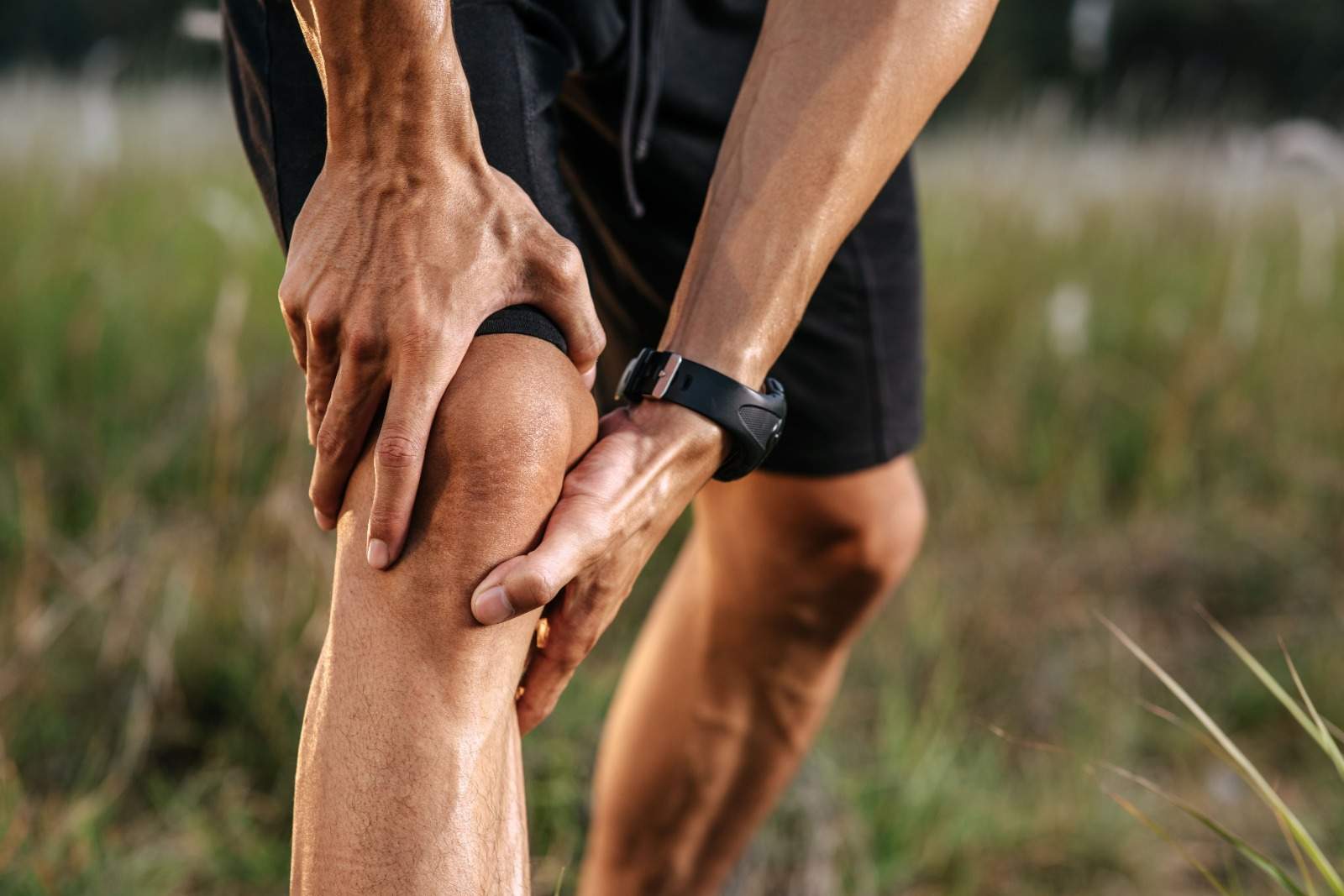
Your knee does a lot of work every day. It helps you walk, run, climb, and sit. Several ligaments hold it all together. The most important one is the ACL. When you suffer from a knee ligament injury, your knee stops working normally.
Pain, swelling, and instability follow quickly. This guide breaks everything down simply — so you know exactly what to do.
ACL Injury Definition: Understanding It Simply
To begin with, here’s the ACL injury meaning in layman’s terms. ACL is the abbreviation for the Anterior Cruciate Ligament. It is a thick fibrous tissue that holds the thighbone and shinbone together in the knee joint. Its function is to keep the knee joint in place.
The ACL is one of four major knee ligaments. But it is the one most commonly injured. Athletes get it often. So do people during accidents or falls. Age and fitness level don’t fully protect you from it.
How Does the ACL Get Injured?
Let’s look into ACL injury definition. Most ACL injuries happen during movement, not direct contact.
Common causes include:
- Placing your foot and pivoting abruptly
- Sudden stopping while running fast
- Bad landing following a jump
- Rapid changes in direction while playing a game
- Being struck directly on the outside of the knee
- Straightening your knee too much
- Slipping on uneven or wet surfaces
You don’t have to be a sportsperson to suffer a knee ligament injury. A bad step down a staircase can do it. So can a sudden trip on an uneven road.
ACL Injury Symptoms: What You Will Feel
Symptoms of a knee ligament injury are usually immediate and hard to miss.
Watch for these signs:
- A loud popping sound at the moment of injury
- Sudden sharp pain inside the knee
- Rapid swelling within one to two hours
- The knee felt like it "gave way."
- Difficulty bearing weight on that leg
- Stiffness and reduced ability to bend the knee
- A feeling of looseness or instability while walking
Any suspected ACL injury needs prompt medical evaluation. Waiting only makes recovery harder.
How Is an ACL Injury Diagnosed?
A doctor will first carefully examine your knee. They will check for swelling, tenderness, and range of motion. Two common tests, the Lachman test and Anterior Drawer test, check ligament stability directly.
An MRI scan gives the clearest picture. It shows exactly how severe the knee ligament injury is. It also checks whether other structures, such as the meniscus, are damaged. X-rays are taken to rule out any fractures in the same area.
Getting an accurate diagnosis early is critical. It guides the entire treatment plan.
ACL Injury Treatment Options
The treatment will depend on your age, fitness levels, and the seriousness of your condition. Surgery is not always necessary when you have an ACL tear.
The non-surgical treatment will apply to the following scenarios:
- Incomplete ligament tear
- Patients who are older and less active
- Patients with a stable knee joint
The non-surgical treatments can include:
- RICE therapy: Rest, Ice, Compression, and Elevation immediately after the injury
- You need to make your knee stronger with better physical therapy
- Knee braces: Help protect the knee when doing everyday activities
- Pain relief through anti-inflammatory drugs
Surgical treatment is recommended for:
- Complete ACL tears
- Young and active patients
- People whose knees remain unstable after therapy
Surgical options include:
- ACL Reconstruction: It means using a graft to repair a torn ligament in your body. The graft comes from the patient's own tendon.
- Arthroscopic Surgery: An operation done through an arthroscope. Small incisions result in speedy healing.
- Rehabilitation after surgery: This step is equally critical. Full recovery may take between six and nine months.
For the best results, consult a trusted specialist for ACL Treatment in Kolkata as soon as symptoms appear. Early and expert care leads to a stronger, faster recovery.
Life After ACL Treatment: What to Expect
Recovery is a slow and gradual process. Each stage has objectives that must be met. A normal recovery pattern is as follows:
- Weeks 1-2: Control swelling and initiate motion
- Weeks 3-6: Initiate physiotherapy and muscle strengthening
- Months 2-4: Focus on strength training and balancing
- Months 5-6: Begin sports training
- Months 6-9: Resume exercise with doctor's approval.
It is important to be patient during recovery, as too early activity may lead to a ligament tear. Hence, you can avoid a permanent knee ligament injury.
Can You Prevent an ACL Injury?
You can lower your risk dramatically. Training in prevention is very effective.
Useful preventive measures include:
- 1 - Regularly exercising your hamstrings, quadriceps, and hip muscles
- 2 - Learning the proper landing form for jumps and runs
- 3 - Proper warming up before exercise
- 4 - Using proper footwear that fits you every time you play your sport
- 5 - Practicing on flat ground every time you train
- 6 - Developing your core strength to increase knee stability
Even small changes in training habits can protect your ACL over time.
Get The Best Treatment
An ACL injury is serious but treatable. Knowing the ACL injury definition, spotting symptoms early, and seeking the right care make all the difference. Whether you need surgery or physiotherapy, early action always leads to better outcomes.
If you or someone you know is struggling with knee pain or instability, don’t delay. Reach out to a qualified specialist, such as Dr. Saem Ishtiaque, for ACL Treatment in Kolkata today. The right guidance now protects your mobility for years to come.