
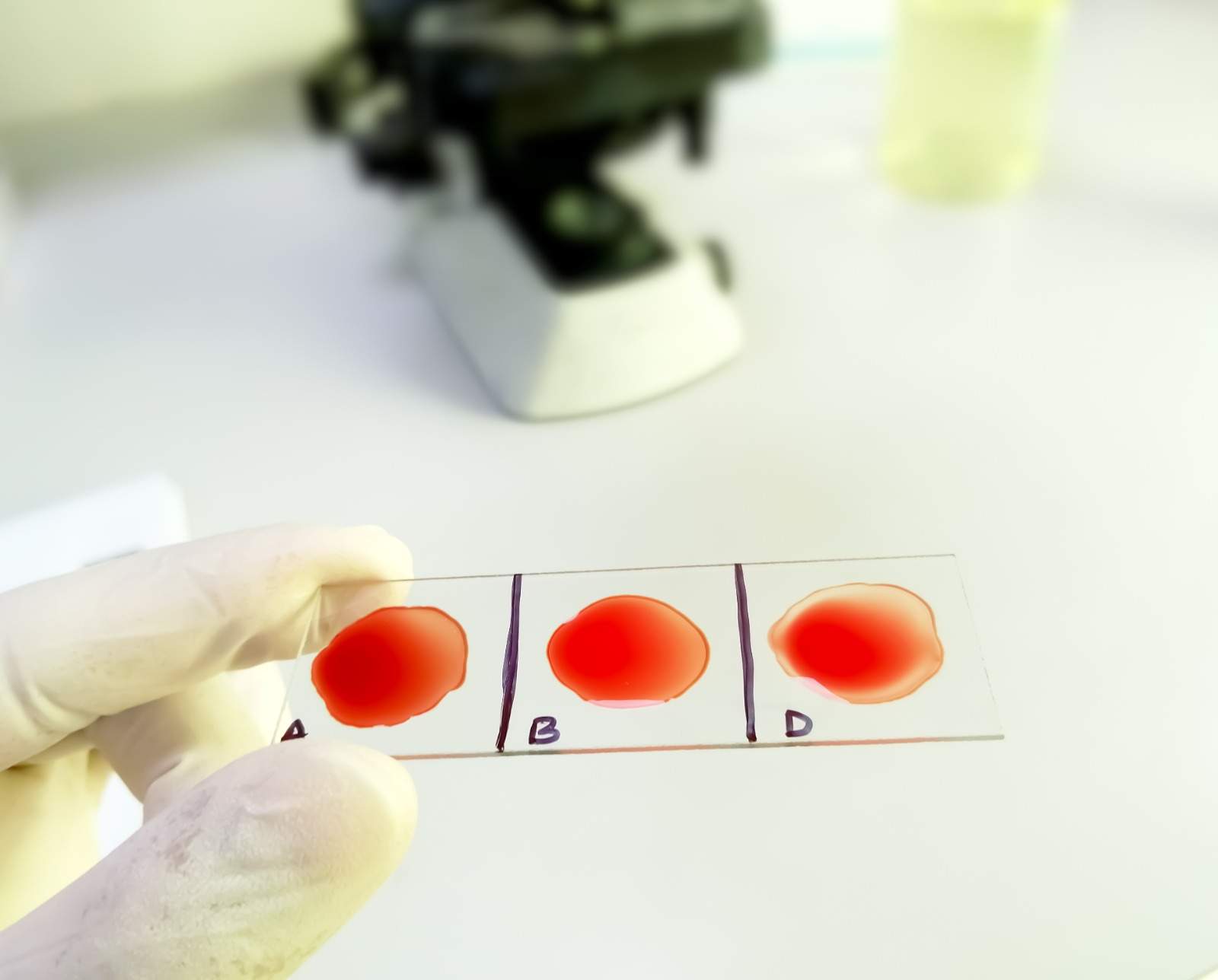
A simple blood test. A powerful health signal. Here is everything you need to know about the erythrocyte sedimentation rate.
Pain that won’t go away. Fatigue that makes no sense. Swelling with no clear reason. Your body is trying to tell you something. The ESR blood test helps doctors listen. It detects inflammation hiding deep inside. One small blood draw can reveal a lot. Early answers lead to better treatment. Do not ignore the signs your body sends.
What Is the ESR Test?
Doctors use the ESR test to determine how your blood cells settle. ESR stands for erythrocyte sedimentation rate. Doctors use it to detect inflammation. It is a routine blood test. No fasting or special preparation is needed. Results are usually ready the same day.
The test measures distance in millimeters per hour. Faster settling means more inflammation. Slower settling is generally a healthy sign.
Why Do Doctors Order This Test?
Inflammation does not always show on the outside. You may feel pain but not know why. The ESR blood test helps find the source. It does not diagnose a disease on its own. But it points doctors in the right direction.
It is often ordered alongside other tests. Together, they give a clearer picture. Doctors can perform a quick investigation with an ESR test.
Normal ESR Levels: What to Expect
Normal ESR levels differ by age and gender. Here are the standard reference ranges:
| Group | Normal ESR Range |
|---|---|
|
Men under 50 |
0–15 mm/hr
|
|
Men over 50 |
0–20 mm/hr
|
|
Women under 50
|
0–20 mm/hr
|
|
Women over 50 |
0–30 mm/hr
|
|
Children |
0–10 mm/hr
|
These are general guidelines only. Your doctor will interpret your result in context. Always discuss your report with a qualified physician.
What Causes High ESR?
A high ESR level signals inflammation somewhere. Several conditions can raise it significantly.
Common high ESR causes include:
- Infections: Bacterial infections raise ESR quickly. Tuberculosis is a well-known example.
- Autoimmune diseases: Rheumatoid arthritis and lupus are frequent causes.
- Bone and joint conditions: such as osteomyelitis, directly affect ESR levels. A specialist can evaluate these properly.
- Kidney disease: Reduced kidney function can raise ESR.
- Anemia: A low red blood cell count affects the sedimentation rate.
- Cancer: Lymphoma and some other cancers may elevate ESR.
- Thyroid disorders: Both overactive and underactive thyroid can cause high ESR.
A single high reading is not always alarming. Pregnancy and aging also naturally raise ESR. A doctor will assess your condition to determine when you need this test.
What Does Low ESR Mean?
Low ESR is far less common. It is usually not a concern. But it can occur with certain blood conditions. Sickle cell anemia and polycythemia are examples. Some medications may also lower ESR. Always share your complete medical history with your doctor.
How Is the ESR Blood Test Done?
The process is straightforward and quick.
- A small blood sample is collected.
- It is placed in a tall, thin tube.
- Doctors observe how far red cells fall in one hour.
- That distance is your ESR reading.
Fasting is not required in most cases. The test takes only a few minutes. You usually get results the same day.
ESR and Bone or Joint Pain
Joint and bone pain are very common complaints. The root cause is not always obvious. An ESR test helps rule out serious underlying conditions. Bone infections, joint inflammation, and tissue swelling all raise ESR. So do autoimmune joint diseases like rheumatoid arthritis.
If your ESR is high and you feel joint pain, act early. Delayed diagnosis can lead to long-term damage. Prompt evaluation always gives better outcomes.
When Should You Get an ESR Test?
Consider getting tested if you notice these symptoms:
- Unexplained persistent fatigue
- Chronic joint pain or muscle pain
- Unexplained fever
- Swelling in joint areas
- Unexplained weight loss
Don’t ignore these symptoms. Just one test for the erythrocyte sedimentation rate (ESR) in the blood can give you a lot of information. Early diagnosis will make treatment easier.
The ESR test is an excellent diagnostic aid. This test is cost-effective and easily available everywhere. This test alone is not sufficient for diagnosing diseases, but it definitely helps identify problems quickly. If your ESR is high, there’s no need to panic. You should consult a professional and get yourself examined. Knowing your body is key to healing.
If you have pain or inflammation in your bones or joints, visit an Orthopedic Surgeon in Kolkata for proper evaluation and treatment.