
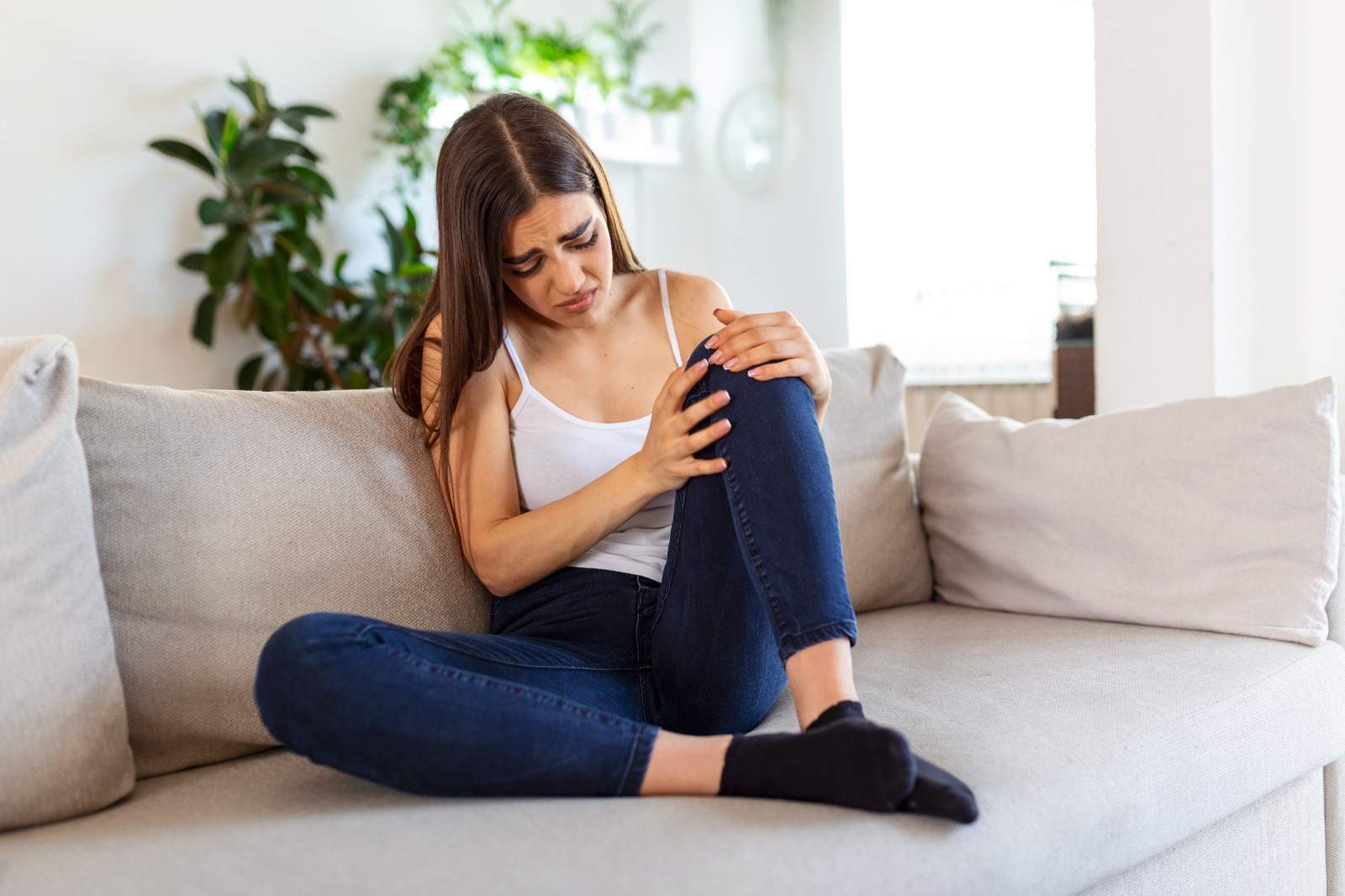
Feeling joint pain at an early age?
Joint pain in women shows up more often and earlier than most people realize.
Hormonal shifts, bone density changes, and lifestyle factors all combine to make women more prone to joint issues compared to men.
Understanding why this happens is the first step toward protecting long-term mobility.
Common Causes of Joint Pain in Women
Several factors contribute to the higher rate of joint issues in women. Some of the most common causes of joint pain in women include:
- Hormonal changes during pregnancy and menopause
- Lower bone density compared to men
- Ligament looseness that increases joint strain
- Repetitive strain from household or work activities
- Family history of arthritis in women
Menopause, in particular, plays a big role. As estrogen levels drop, bones lose density faster, and joints lose some of their natural cushioning.
Early Signs of Joint Problems to Watch For
Catching the early signs of joint problems makes treatment far easier down the road. Pay attention to:
- Stiffness in the morning that is relieved by movement
- Dull joint pain in the knee, hips, or fingers
- Joint swelling due to physical effort
- Popping and crunching noises when you move
- Limited movement caused by a lack of mobility
These symptoms may be considered ordinary tiredness and overexertion initially. However, when they persist regularly, it generally means that there is more to it.
Recognizing Joint Pain Symptoms as They Progress
If ignored, minor discomfort could lead to joint pain symptoms. Some of the symptoms to watch out for include:
- Joint stiffness in women, which lasts longer than thirty minutes in the mornings
- Worsening of the pain with changes in weather conditions
- Swelling or warmth around the joints
- Trouble holding onto things or going up the stairs
- Discomfort when sleeping
Women’s arthritis generally occurs in the knees and hands because of joint structure and hormones.
The Role of Nutrition for Joint Health
Joint nutrition is far more important than what most people think. The food that you eat has an effect on the function of your joints and on how fast they deteriorate.
Dietary practices you should consider are:
- Calcium-rich foods like dairy, leafy greens, and almonds
- Vitamin D through sunlight exposure or fortified foods
- You can take fish and flaxseeds to get Omega - 3 fatty acid, this will help to reduce pain.
- Protein to ensure strength of the muscles around the joints
- Decreased consumption of processed sugar and fried foods, which exacerbate inflammation
Proper nutrition to maintain joint health will not repair any damage that already exists, but it helps prevent additional damage from occurring to the bone and joint health for women.
Building Better Women's Joint Health Through Daily Habits
There is more than just diet that determines joint care in the long run. Even small, but regular changes can be quite effective:
- Doing exercise like walking and swimming
- Maintaining the right body weight in order not to have any stress on joints
- Wearing comfortable footwear when doing your routine activities
- Resting for a while during repetitive activities to reduce strain on the joints
- Doing some stretches to be flexible
The most important thing about joint care for women is consistency. One-time efforts will not provide sustainable outcomes.
When Joint Pain Needs Medical Attention
Not all joint discomfort resolves with rest and diet alone. Consider seeking joint pain treatment if you notice:
- Pain lasting more than a few weeks
- Swelling that doesn't go down with rest
- Joint stiffness in women that limits daily tasks
- Sudden loss of movement in a joint
- Pain accompanied by fever or redness
An orthopedic doctor in Kolkata can evaluate whether the issue stems from early arthritis, ligament strain, or another underlying condition, and guide you toward the right treatment path before symptoms worsen.
Prioritizing Healthy Joints for the Long Run
Maintaining healthy joints isn’t about a single fix. It’s a combination of the right nutrition, consistent movement, and timely medical checkups when something feels off.
Women who pay attention to early warning signs and adjust their habits accordingly tend to preserve mobility much longer than those who wait until pain becomes severe.
An experienced doctor like Dr Saem Ishtiaque can help detect any nutritional deficiencies in the female body that can cause joint pain.
If joint discomfort has been part of your routine for a while, it’s worth getting it looked at rather than working around it.