
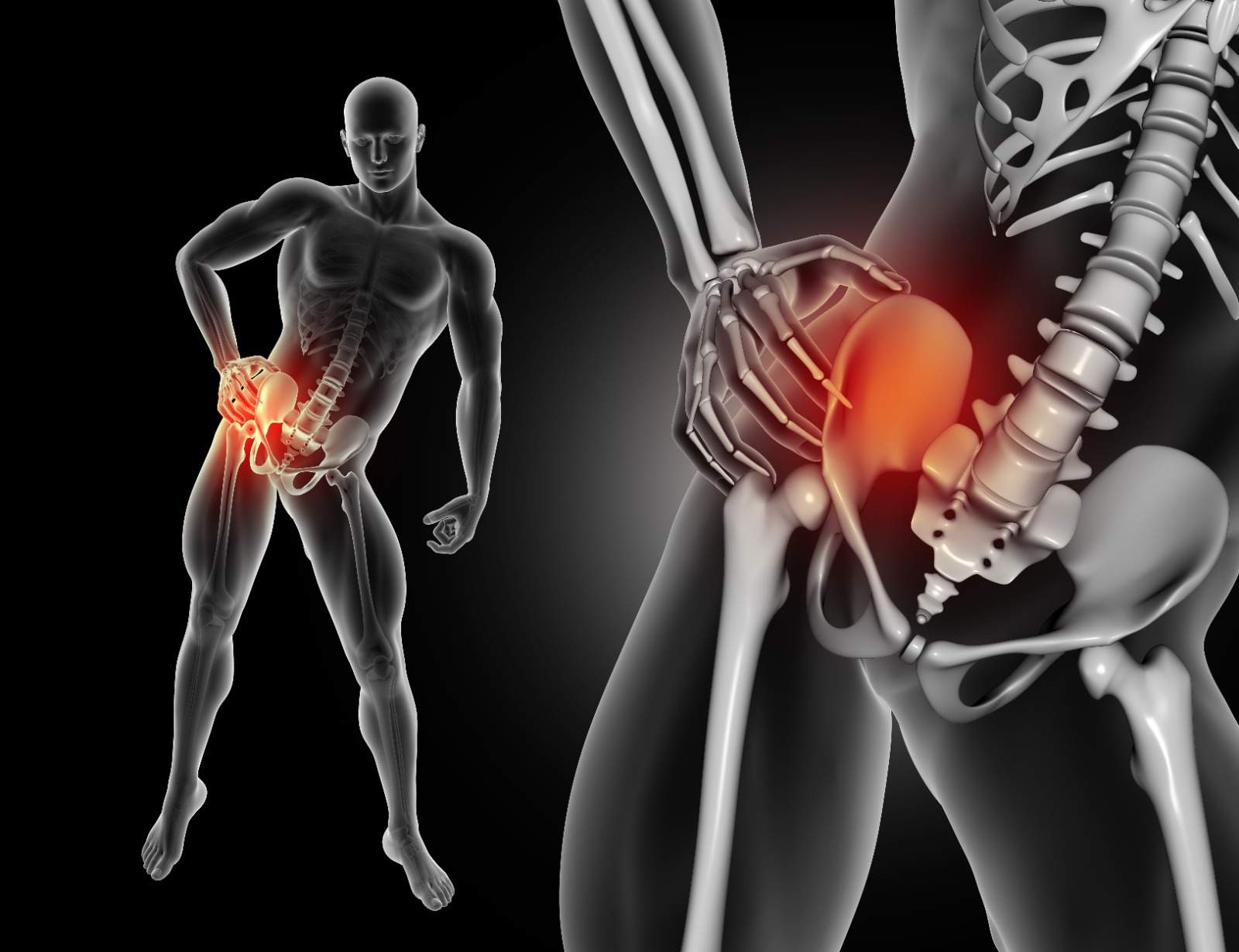
You can’t live life to the fullest because of hip pain. Going up stairs, walking to the market, or even getting out of bed can feel like a big job. If your hip joint is badly damaged, surgery may be your best chance for freedom. The direct anterior hip replacement is one of the most cutting-edge solutions available today. It is transforming how and how fast people heal.
A simple, truthful explanation of what the procedure is, why it is good, and what to look out for.
What is a Direct Anterior Hip Replacement?
Anterior hip replacement surgery is a state-of-the-art approach in which the surgeon approaches the hip joint from the front of the body. This involves a small incision on the front of the hip, enabling the joint to be replaced by shifting muscles out of the way along their normal tissue planes without disconnecting any tendons.
This is quite different from the typical method. The earlier technique required cutting through the muscles at the rear of the hip. That meant greater damage, more agony, longer recuperation. All that can be avoided with minimally invasive hip replacement through the anterior route.
Advantages of Direct Anterior Hip Replacement
And that’s when things really start to get fascinating for patients. The benefits of direct anterior hip replacement are more than a reduced scar.
1. Reduced postoperative pain
Since surgeons do not cut muscles to reach the hip joint, patients may suffer less discomfort when they resume walking in the days after recovery. Less muscular trauma means your body heals with less work.
2. Recover Faster
Research shows that people who undergo anterior hip replacements quit needing walkers, canes, and other assistive equipment 5 to 7 days sooner than those who had typical hip surgery. That is a big leap on the competition.
3. Dislocation risk is reduced.
Direct anterior hip replacement lowers the chance of some problems after surgery, such as hip dislocation and malposition of the implant. This offers patients more confidence as they become well.
4. Increased Surgical Accuracy
Because patients are resting on their backs, rather than on their side, surgeons can utilize a sort of live X-ray imaging called fluoroscopy to verify implant position in real time. This results in much fewer errors.
5. Return to normal life earlier
Patients heal quicker and get back to work and activities in weeks, not months. That’s a big deal for working adults.
How long does recovery take after hip replacement surgery?
Knowing how long it takes to recover after hip replacement surgery allows you to organize your life around healing instead of against it.
- Days 1-3: Stand and walk with support on the same day or the day after surgery.
- Week 1-2: You go home and start with light indoor movement. Swelling is common here.
- Week 3-6: Increased walking distance. You require less support every day.
- Months 2-3: Most patients return to normal daily activities and light outdoor activity.
- Months 3–6: Full recuperation with return to low-impact sport is normally achieved in 2–3 months. Physically demanding professions may require six to twelve weeks before patients can return to work.
Get an expert consultation to learn more about your hip replacement surgery recovery time.
Risks of Direct Anterior Hip Replacements
No operation is entirely without risk. Knowing the dangers of direct anterior hip replacement helps you prepare in a realistic way.
The main risks to watch out for are:
- Nerve sensitivity: The surgical site is close to the lateral cutaneous nerve of the thigh. Numbness of the thigh is a possible complication after anterior hip replacement surgery, and very rarely, painful skin irritation. This disorder is rare, occurring in less than 1% of people.
- Infection: As with all surgery, there is a slight risk of infection with the wound. This danger is greatly reduced with aftercare.
- Leg length difference: A competent surgeon will use imaging technologies during surgery to ensure that the legs are as equal in length as possible.
Not for everyone. Not ideal for every patient, but fantastic results for the right applicant. Your surgeon will take into account your anatomy, weight, and bone quality when prescribing this procedure.
Alteration Of The Results Of Contemporary Hip Replacement Methods
Modern hip replacement techniques, including the anterior approach, are making surgery safer and recovery shorter for more patients each year. Patients usually go home sooner than with alternative techniques, have less pain, and reach therapeutic milestones sooner following the procedure.
The surgeon doing the treatment is always the key to a good outcome. The experienced orthopedic surgeon knows when to utilize this method and how to manage difficulties, should they emerge.
If you are in Kolkata and looking for hip or joint replacement surgery, talk to a doctor who is aware of traditional and advanced treatments. You can also go through the allied joint care alternatives available on the page of the Knee Replacement Surgeon in Kolkata to understand the approach of Dr. Saem Ishtiaque in joint replacement surgery with precision and care.
Is Direct Anterior Hip Replacement for You?
Only your surgeon, following a comprehensive evaluation, can answer that question. But if you’re a candidate, the benefits are obvious: fewer pains, quicker healing, and a faster return to the life you love. Stop letting hip discomfort dictate your days.