
Most people ignore their bone health. They focus on the heart, skin, or weight. But bones are quietly working every single day. When they weaken without warning, the consequences are serious.
That condition is called osteoporosis. And it affects millions of people, many of whom don’t even know it yet. That’s why learning about osteoporosis symptoms is important.
This blog also helps you to look into osteoporosis causes, while discussing common men’s lives.
Osteoporosis Definition: What Does It Actually Mean?
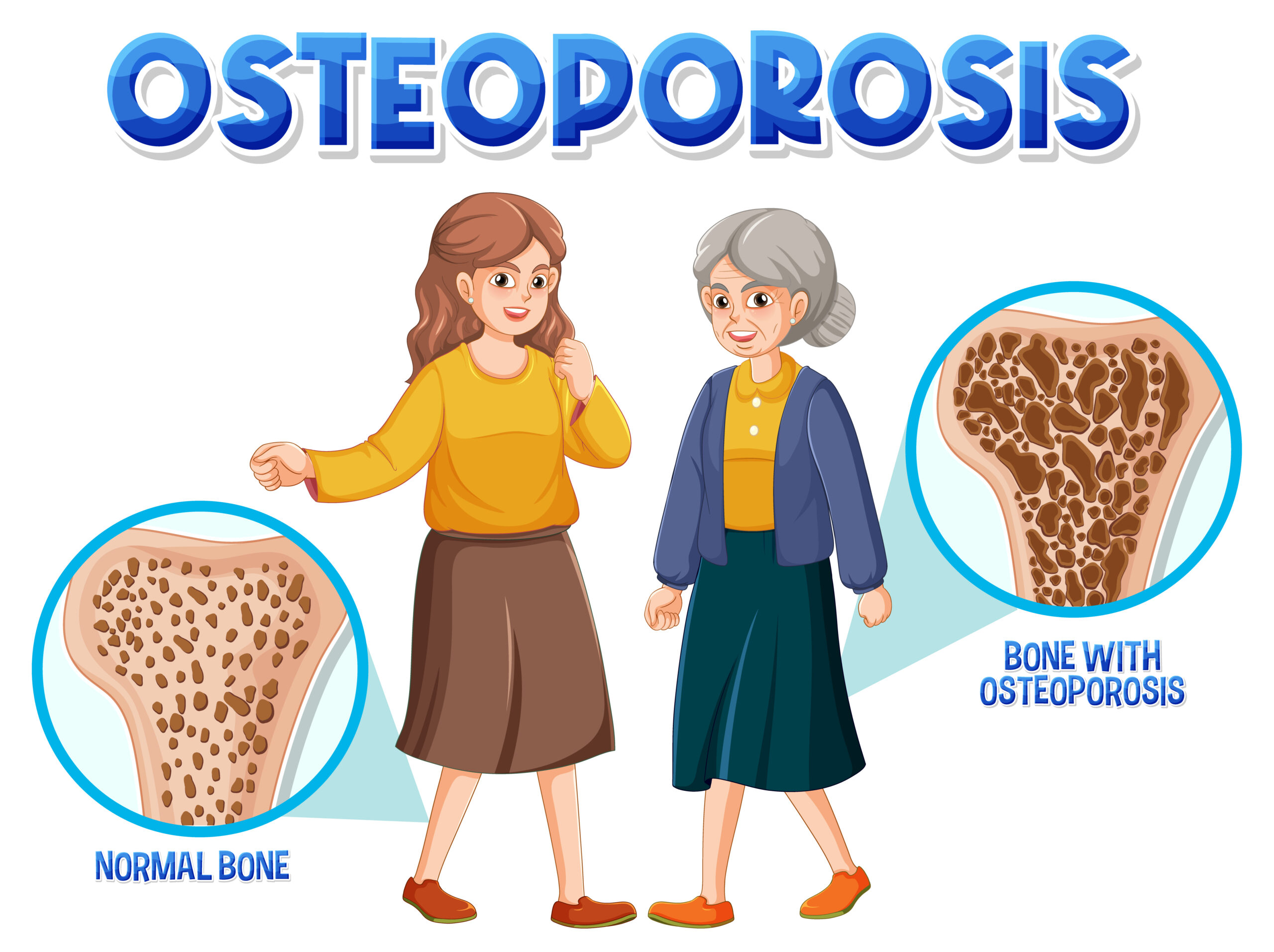
The osteoporosis definition is straightforward. It means “porous bones” in Greek. Your bones naturally have small holes inside them. In healthy bones, these holes are tiny. In osteoporosis, the holes grow larger. The bone becomes thinner and more fragile.
Think of a sponge. A healthy bone looks like a firm, dense sponge. An osteoporotic bone looks like a sponge full of large, wide holes. It breaks much more easily under pressure.
Bone is a living tissue. It constantly breaks down and rebuilds. Osteoporosis occurs when breakdown exceeds rebuilding. Over time, bone density drops to dangerously low levels.
Osteoporosis Symptoms: What to Watch For
This condition is often called a “silent disease.” Most people feel nothing until a bone breaks. Still, some early osteoporosis symptoms do appear.
Common symptoms include:
- Back pain caused by a fractured vertebra
- Gradual loss of height over time
- A stooped or hunched posture
- Bones that break far too easily
- Neck pain or stiffness
- Decreased hand grip strength
- Breakable fingernails and shrinking gum line (less typical symptoms)
Most often, people become aware that they have osteoporosis due to a fracture following a relatively light impact, such as a fall. One should not be able to break their bones from a cough or a minor collision.
Osteoporosis Causes: Why Does It Happen?
There are several well-known osteoporosis causes. Some are lifestyle-related. Others are hormonal or genetic. If you understand the reason for the pain with help from doctors, planning your treatment becomes easier.
Here are the most common causes:
1. Aging:
Bone density naturally declines after age 35. It speeds up significantly after 50.
2. Hormonal changes:
Low estrogen in women after menopause is the leading cause. Low testosterone in men also contributes.
3. Calcium Deficiency:
Calcium is a major component of bones. Deficiency leads to weaker bones over time.
4. Deficiency in vitamin D:
Vitamin D helps calcium absorption. This makes calcium supplementation ineffective.
5. Physical inactivity:
You will need to exercise regularly to strengthen your bones. This will also improve the weight-carrying capacity of your bones.
6. Smoking and alcohol:
Smoking and alcohol reduce bone density. They affect hormonal balance.
7. Medications:
Long-term steroids, such as prednisone, significantly weaken bones. Always discuss this with your doctor.
8. Thyroid or parathyroid disorders:
These glands regulate calcium and bone metabolism. When they malfunction, bone loss follows.
9. Family history:
Genetics plays a role. If a parent had osteoporosis, your risk is higher.
10. Low body weight:
Thin people have less bone mass to begin with. They lose it faster, too.
Who Is Most at Risk?
Women are more vulnerable than men. Post-menopausal women face the highest risk. But men over 70 are also significantly affected. Indians are increasingly at risk due to low dietary calcium and limited sun exposure.
How Is Osteoporosis Diagnosed?
A DEXA scan (Dual-Energy X-ray Absorptiometry) measures bone density. It’s painless and takes less than 15 minutes. The result is called a T-score. A score below -2.5 confirms osteoporosis. Between -1 and -2.5 is called osteopenia, a warning stage.
Blood tests check calcium, Vitamin D, and hormone levels. These help identify the underlying osteoporosis causes specific to each patient.
Osteoporosis Treatment: What Are the Options?
Treatment works best when started early. The goal is to slow bone loss and prevent fractures.
Options for treatment are:
- Calcium and Vitamin D: They form the basis of any therapy regimen. An adult should consume about 1000–1200 mg of calcium per day.
- Bisphosphonates: Bisphosphonates are the most popularly prescribed drugs. They reduce bone loss drastically.
- Hormone Replacement Therapy (HRT): Helps post-menopausal women. Needs careful medical supervision.
- Weight-bearing exercise: Walking, dancing, and resistance training strengthen bones naturally.
- Fall prevention: Remove home hazards. Use non-slip mats. Improve lighting in all rooms.
- Diet changes: Include dairy, leafy greens, sesame seeds, and fish regularly in meals.
A trusted orthopedic doctor in Kolkata will build a personalized treatment plan. Self-medication is never safe for osteoporosis.
Can Osteoporosis Be Prevented?
Yes, especially when started young. Bones reach their peak density around age 30. Building strong bones before that age is your best protection. Here’s how:
- Ensure adequate intake of calcium and vitamin D
- Perform regular exercise, preferably outdoors
- Quit smoking and limit alcohol consumption
- Undergo bone density tests after the age of 40
- Manage hormonal imbalance problems
Prevention is better than a cure. Act now, whatever your age. Osteoporosis is common, serious, and often preventable. Knowing the osteoporosis definition, spotting early osteoporosis symptoms, and understanding the key osteoporosis causes puts you ahead. Don’t wait for a fracture to take action.
Speak to Dr. Saem Ishtiaque, an orthopedic doctor in Kolkata, for a proper bone health assessment. Strong bones mean a stronger, more independent life at every age.