
Overthinking about how long it will take to recover from ACL surgery?
The tearing of the ACL is one of the most common knee injuries that occurs in athletes participating in games that involve sudden stopping and pivoting movements.
When the ACL is fully torn, it does not repair itself.
This is why ACL reconstruction surgery becomes necessary for most active patients who want to return to sports or physically demanding routines.
What Happens During ACL Reconstruction Surgery
This is a process where the doctor replaces your damaged ligament with a tissue graft, often taken from the patient’s own hamstring or patellar tendon.
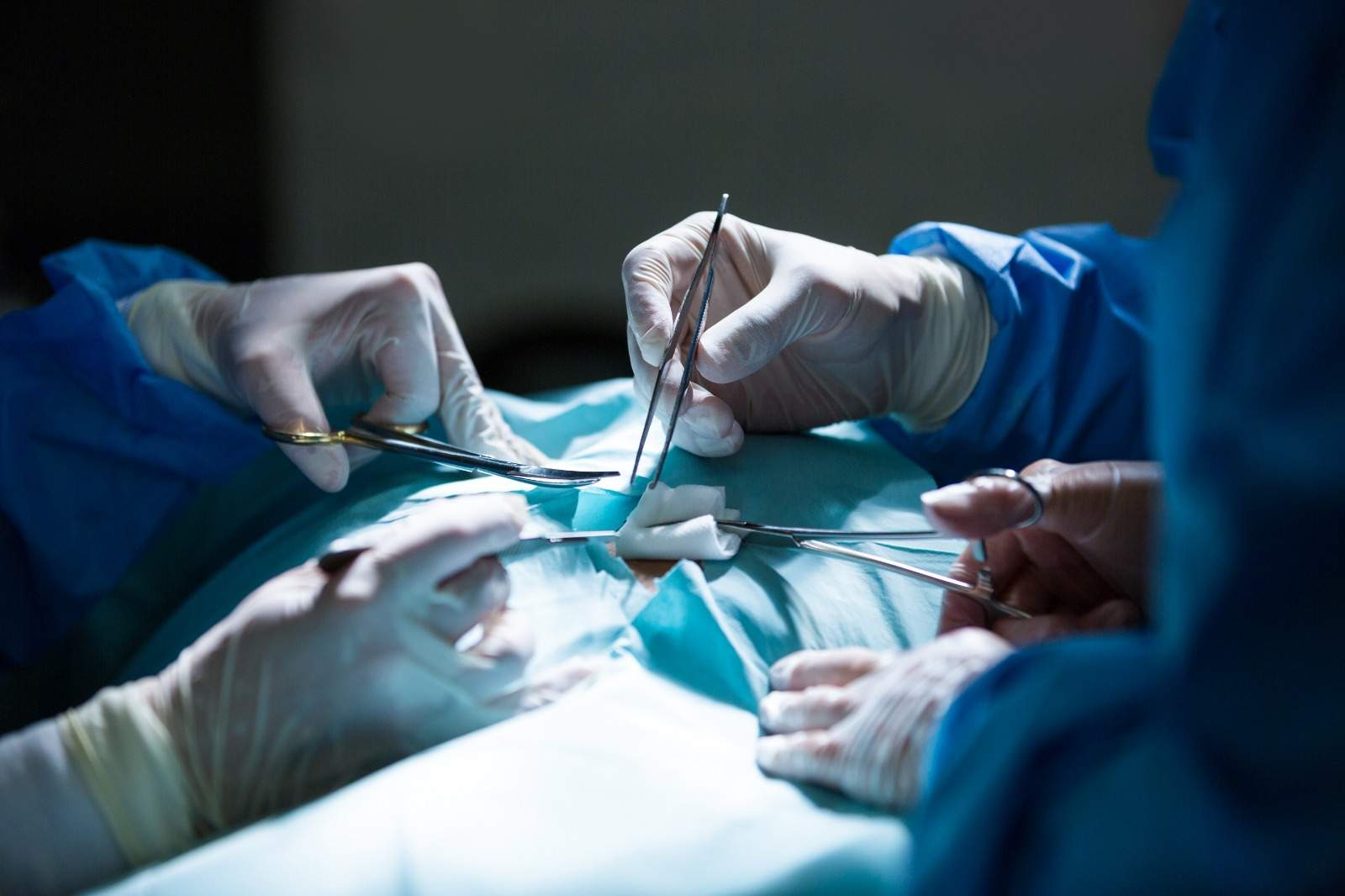
The surgery is done arthroscopically through small incisions, which reduces tissue damage and shortens hospital stays.
The surgeon will also test the patient’s meniscus and cartilage injury during the same surgery, as an ACL injury seldom happens alone.
ACL Recovery Timeline - Week by Week
Understanding the ACL surgery recovery timeline will help you understand your expectations better. The recovery process is well defined into stages:
- Weeks 1-2: Rest, managing swelling, and restoring initial mobility of the knee joint
- Weeks 3-6: Most patients are able to walk without crutches
- Months 2-3: Start strength training and balance exercises
- Months 4-6: Begin light running and sport-specific training
- Months 6-9: Return to sports activity
The rehabilitation process following an ACL injury depends on the individual patient. Their age, physical condition, and whether any other knee structures have been repaired also play a role.
What to Expect During ACL Reconstruction Recovery
The recovery period following an ACL surgery is not just a waiting process but rather consists of accomplishing certain goals before advancing to the next stage. The goals followed by doctors and physiotherapists are:
- Range of motion in the knee joint
- Comparison of muscle strength with the uninjured leg
- Stability and balance
- Swelling and pain reduction
- Confidence in weight-bearing on the knee joint
Too fast a progression through these stages may result in re-injury. Each of these influences ACL rehabilitation and makes your recovery faster.
The Role of ACL Physiotherapy in Recovery
ACL physiotherapy can be termed the most crucial component throughout the entire process of recovery following an ACL surgery.
The lack of rehabilitation through physiotherapy can result in stiffness or instability of the knee despite a successful surgery. Some of the components of ACL physiotherapy include:
- Range of motion exercises in the first few weeks
- Quadriceps and hamstring strengthening
- Proprioception training
- Agility training depending on the sports activity
Skipping physiotherapy sessions or stopping early is one of the most common reasons ACL injury recovery takes longer than expected.
Tips for ACL post surgery care - Rapid Recovery after ACL Surgery
Proper home care after ACL surgery leads to a faster recovery. Some things you should do are as follows:
- Keep your leg elevated and put ice on it during the first week after surgery
- Follow the doctor's suggestions about medicines for pain control and less inflammation
- Do not put extra pressure on the knee until your doctor gives you permission
- Attend follow-up sessions with your doctor to see the healing process
- Have a nutritious diet including protein
ACL Recovery Exercises to Rebuild Strength Safely
As healing progresses, ACL recovery exercises become central to regaining full function. Common exercises introduced in stages include:
- Heel Slides & Ankle Pumps (Weeks 1 – 2)
- Straight Leg Raises to strengthen quads (Weeks 1 – 2)
- Stationary Cycling (improves ROM)
- Step-Ups and Mini-Squats (mid recovery period)
- Agility Ladder Drills (Pre-Sport Activity)
These knee ligament surgery recovery exercises should always be guided by a physiotherapist rather than attempted independently, since progressing too quickly can strain the healing graft.
When to Reach Out for Professional Guidance
Recovery after ACL surgery isn’t something to navigate alone. If you experience increased swelling, sharp pain, or a feeling of instability at any stage, it’s important to get it checked promptly.
If you are looking for expert assistance, you can contact Dr. Saem Ishtiaque for high-quality orthopaedic treatment.
Consulting an orthopedic surgeon in Kolkata ensures your recovery plan stays on track and adjusts as needed if complications arise, giving you the best chance of returning to full activity safely.