
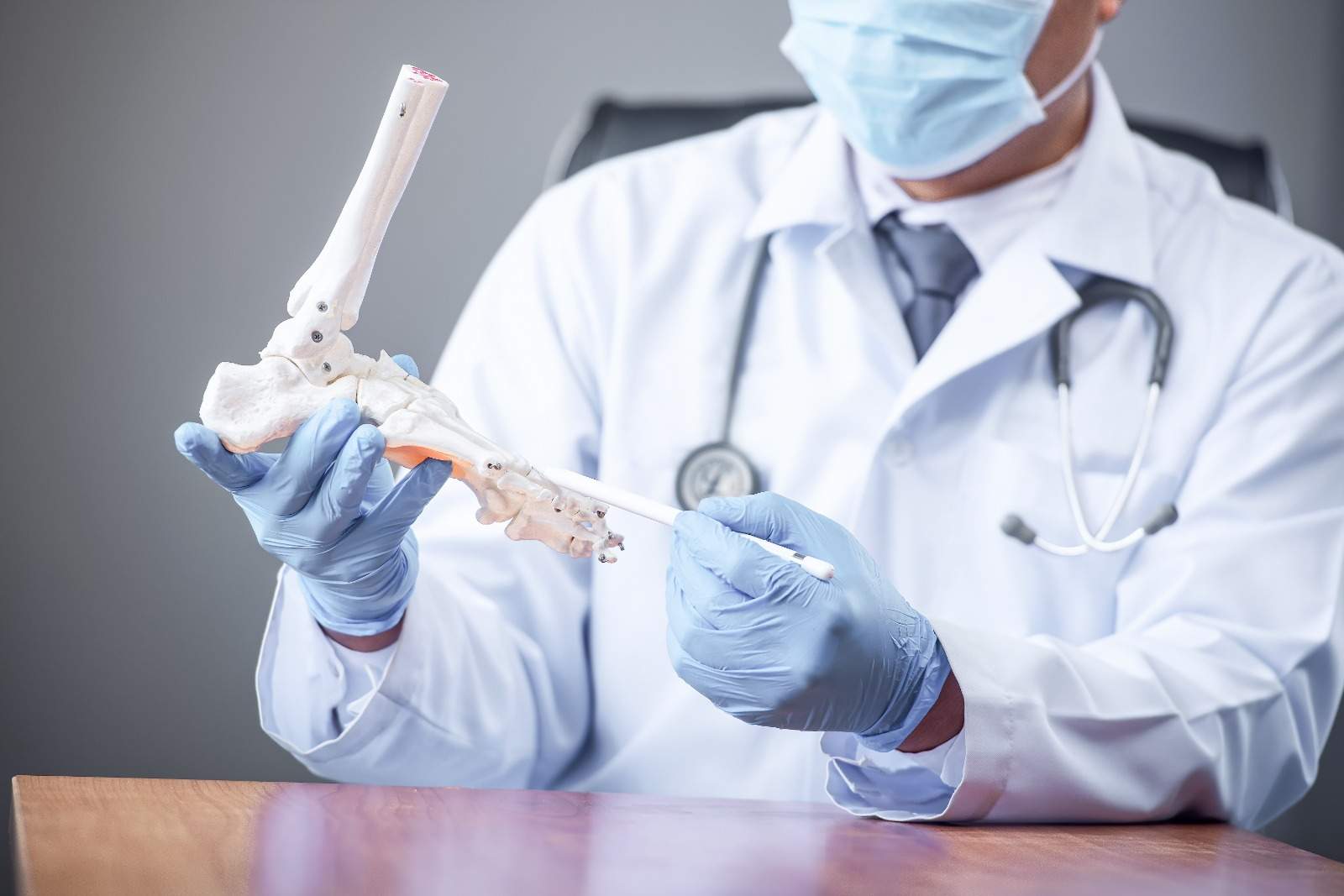
Most people put up with aches for far too long. There is a common belief that pain settles on its own, and often it does. But when discomfort keeps returning, the question of when to see an orthopedic surgeon becomes hard to avoid. Bone and joint pain is not always serious. Still, some signals deserve an opinion rather than another painkiller.
Why an Orthopedic Consultation Gets Delayed
Waiting is the usual reaction. Patients try rest, hot packs, and home remedies before a clinic visit is even considered. Take, for instance, a shoulder that hurts every night – it is often ignored for months. By the time an orthopedic consultation happens, the damage has already progressed.
Signs of Bone and Joint Pain That Need Attention
Some complaints can be managed at home. Others cannot. The following are worth a professional look:
- Pain lasting beyond three weeks despite rest and medication
- Swelling around a joint that keeps coming back
- Morning stiffness that takes an hour or more to ease off, which is often an early marker of arthritis
- A joint that locks, catches, or gives way suddenly
- Weakness in the grip
- Numbness or a tingling sensation running down the arm or leg
- Deformity, or a limb that no longer looks aligned
Persistent joint pain of this kind rarely improves without a diagnosis.
Musculoskeletal Symptoms That Should Not Be Handled at Home
There are certain musculoskeletal symptoms where self-treatment does more harm than good:
- Pain after a fall in anyone above sixty, since bone quality may already be reduced
- Fever with a hot, swollen joint
- Pain in the back with the symptom of urinary incontinence
- Joint that is not able to support any weight
- Skin redness developing from a previous surgery site
These presentations require immediate evaluation, not watchful waiting.
Common Conditions Behind Long-Standing Pain - Resulting in Mobility Problems
Not every diagnosis is the same, though the complaint may sound identical.
- Osteoarthritis, the most frequent cause of persistent joint pain after forty-five
- Rotator cuff injury in the shoulder
- Meniscus or ligament tears following a twist
- Frozen shoulder, which develops slowly and limits rotation
- Gout, where the attack is sudden and intensely painful
- Nerve compression in the spine causing referred leg pain
Each one needs a specific strategy, which is why the orthopedic consultation is more important than a Google search. Only this step can help you to get rid of standing pain and mobility problems.
Age Is Not the Only Consideration
Youth believes that orthopedic concerns are meant for the older population. This belief is detrimental to their well-being since issues like sports-related injuries, desk-related strain on the neck, and recurrent ankle sprains all qualify as musculoskeletal concerns and become chronic at the young age of twenty and thirty years.
What Actually Happens at the Visit
There are no exciting surprises for the majority of cases. A history is taken, followed by an assessment of movement, strength, and alignment. An X-ray might be suggested, while an MRI is used only when there is suspicion about injury to the soft tissues. In most instances, patients go home with some form of treatment or advice.
Reason Why Early Guidance Makes a Difference
Cartilage does not regenerate itself. Tears to the ligaments, when untreated, lead to further deterioration of the joint. The same goes for weight and muscle strength, since inactivity aggravates them both. In such cases, the orthopedic examination early on usually saves the patient from having surgery.
When To See An Orthopedic Surgeon
Pain can be quantified; loss of function cannot, which is why patients under-report. The inability to climb stairs, hold onto a banister while rising, or reduce one’s walking distance due to the complaint from the knee – these mobility issues speak volumes on joint condition rather than pain level. This is the time when to see an orthopedic surgeon.
An experienced Orthopedic Surgeon in Kolkata like Dr. Saem Ishtiaque looks closely at both.
Do Not Leave the Decision to the Pain
When to see an orthopedic doctor depends solely on your self-awareness. If the pain in bones and joints interferes with your walking, sleeping, or working, there you have the answer. Ignoring musculoskeletal issues only makes matters worse, and the costs increase with time.