
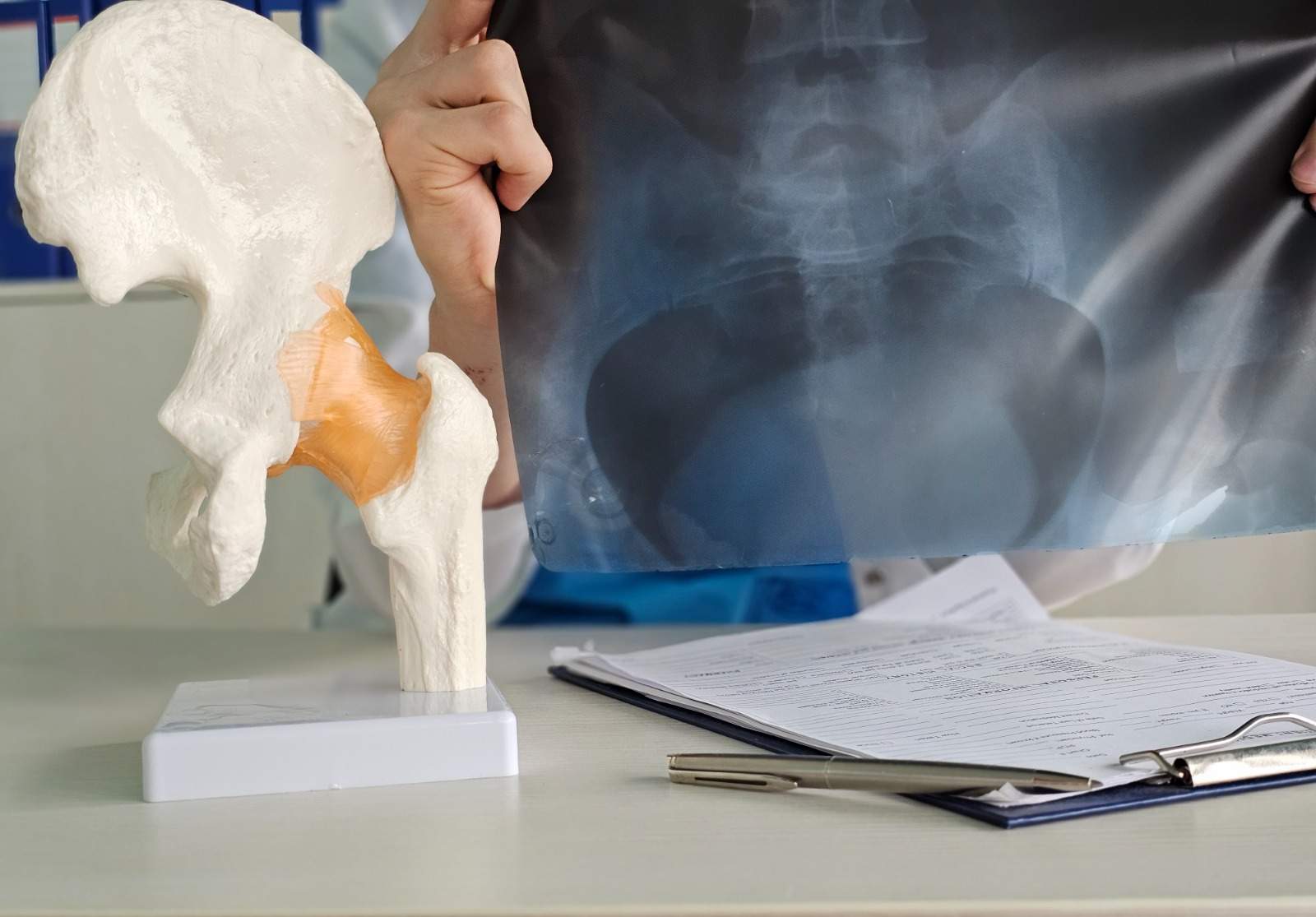
A hip that has been damaged by arthritis or injury can take away the simplest freedoms, such as walking to the gate or sitting comfortably. Hip replacement surgery is advised when medicines and physiotherapy stop giving relief. Many patients delay the decision out of fear of the unknown, though the process itself follows a fairly predictable path from preparation to full hip replacement recovery.
Preparation That Is Advised Before the Hip Replacement Procedure
Nothing is left to chance in the weeks before admission. The hip replacement procedure begins with a set of checks:
- Blood tests, ECG, and an X-ray of the affected joint
- A dental review, since infection from the mouth can travel to a new joint
- Adjustment of blood thinners and diabetes medication under supervision
- Strengthening exercises for the thigh and hip muscles
- Arrangement of a raised toilet seat and a walker at home
- Stopping smoking, which is known to delay bone healing
What the Surgery Actually Involves
The damaged ball of the thigh bone is removed and replaced with a metal stem carrying a smooth head. A socket is then fitted into the pelvis. In a total hip replacement, both surfaces are addressed, whereas partial procedures are reserved for selected fracture cases. Anaesthesia is usually spinal, and the operation is completed within one to two hours.
The Artificial Hip and the Materials Used in It
There is more than one type of artificial hip available today. Combinations of metal, ceramic, and high-grade plastic are used for the bearing surfaces, and the choice is influenced by the age of the patient along with the level of activity expected. Younger patients are generally given implants with lower wear rates, since the artificial hip will have to serve for several decades.
Hip Replacement Recovery, Stage by Stage
Progress is measured in small steps rather than sudden improvement. Hip replacement recovery is usually described in the following stages:
- Day one, when standing with support and a few assisted steps are attempted
- The first week, during which walking with a walker becomes possible, and the wound is monitored
- Weeks two to six, when physiotherapy is intensified
- Weeks six to twelve, by which time most household activity is resumed without aid
- After three months, when longer walking, driving, and travel are permitted
Hip surgery of this kind is therefore not a single event but a supervised process.
Precautions That Are To Be Followed at Home
Certain movements place the new joint at risk in the early months, and these restrictions are explained before discharge.
- Bending the hip beyond ninety degrees is to be avoided
- Low chairs, floor sitting, and Indian-style toilets are not permitted initially
- The legs should not be crossed while sitting or lying down
- Sudden twisting of the body on the operated side is discouraged
- Sleeping on the back for the first few weeks
Complications That Are Discussed Beforehand
Every operation carries some degree of risk, and honest counseling is a part of the consent process. Infection, clot formation in the leg veins, difference in limb length, and dislocation are the concerns that are usually mentioned. The chances of any of these occurring remain low in a planned hip surgery performed by an experienced team, though the possibility is never denied outright.
Hip Replacement Surgery - The Result That Can Be Expected
Relief from pain is reported by the majority of patients within the first few weeks, and this is often what surprises them the most. A well-performed total hip replacement is expected to last for fifteen to twenty years or more. Independence in daily activity is restored gradually, and the artificial hip becomes something that is rarely thought about after the first year.
An experienced Hip Replacement Surgeon in Kolkata, like Dr Saem Ishtiaque, will explain the hip replacement procedure in detail before any date is fixed.
Do Not Let Fear Decide the Timing
Postponement of hip replacement surgery does not keep the joint safe; it only allows the bone stock and muscle strength to reduce further. When walking has become painful and sleep is disturbed by the hip, the answer is already there. A proper consultation will tell you whether hip surgery is required now or can wait.