
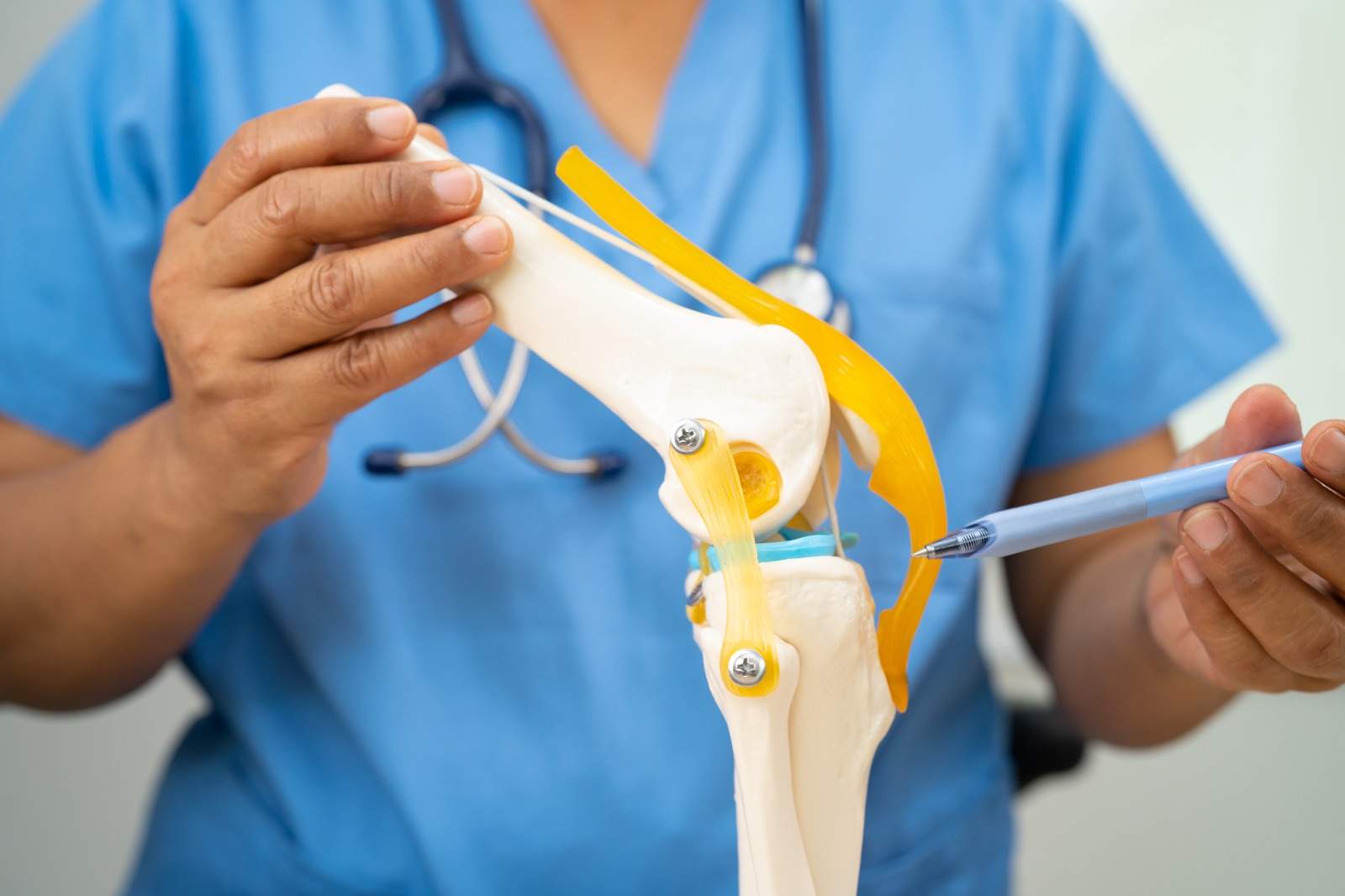
Joint pain can develop gradually or appear suddenly after an injury. Sometimes, it improves with rest. But the question is, when should you see an orthopedic doctor for joint pain? Persistent discomfort, swelling, stiffness or difficulty moving normally are signs that you should consider a medical assessment.
Whether you experience knee pain while climbing stairs, hip stiffness after sitting or shoulder discomfort at night, ignoring recurring symptoms may affect your daily activities.
For people looking for an Orthopedic Doctor in Kolkata, understanding these warning signs can help them decide when specialist attention may be necessary. An orthopedic consultation does not automatically mean surgery. The right process depends on the underlying cause and severity of the problem.
These 7 Signs Tell You To Consult an Orthopedic Doctor
1. Joint Pain That Does Not Improve
Occasional discomfort may settle with appropriate rest. However, if the pain continues for around two weeks, keeps returning or gradually becomes worse, consider an orthopedic consultation.
Persistent symptoms may be associated with arthritis, tendon problems, inflammation or an underlying injury.
2. Swelling, Redness or Warmth
Swelling around a joint can occur following an injury or due to inflammation. However, a suddenly hot, red and swollen joint needs urgent medical attention, particularly when accompanied by fever.
These symptoms can sometimes indicate a joint infection.
3. Difficulty Walking or Moving Normally
Do you struggle to climb stairs, stand up after sitting or walk comfortably? Joint pain that interferes with everyday movement should not be overlooked.
A Knee Pain Doctor Kolkata or an appropriate orthopedic specialist can assess recurring knee discomfort. Similarly, persistent hip or shoulder problems may require evaluation by a Hip Pain Doctor Kolkata or Shoulder Pain Doctor Kolkata.
4. Morning Stiffness
Some people have stiff joints when they wake up or after sitting for a long time. But if you’re stiff for more than 30 minutes, especially if you have swelling or pain that won’t go away, you should see a doctor.
It may be associated with different forms of arthritis or inflammatory joint conditions.
5. Joint Pain After Injury
Pain following a fall, road accident, sports injury or sudden twisting movement should be assessed according to its severity.
Significant swelling, severe pain, visible deformity or difficulty putting weight on the affected limb may indicate a serious injury. Nevertheless, these are factors that influence Joint Pain After Injury.
6. Pain That Disturbs Your Sleep
If joint pain keeps waking you up at night or makes it hard to find a good sleeping position, you should see a doctor. When you lie on the side that hurts, shoulder and hip pain may be easier to feel.
If the symptoms continue, consider consulting a Joint Pain Specialist in Kolkata for an appropriate assessment.
7. Difficulty Performing Everyday Activities
Even moderate pain can become troublesome when it affects your routine. Avoiding walks, struggling with household activities or finding it difficult to get out of a chair are reasons to consider an Orthopedic Consultation in Kolkata.
The impact on your daily life matters just as much as the intensity of the pain.
When Does Joint Pain Require Immediate Medical Attention?
Some symptoms should not wait for a routine appointment.
Seek urgent medical care if you experience:
- Severe pain following a fall or accident.
- Inability to walk or put weight on the affected joint.
- A joint that appears deformed after an injury.
- Sudden numbness around the injured area.
- A hot, swollen joint accompanied by fever or chills.
These symptoms may indicate an injury or condition that requires prompt assessment.
What Causes Persistent Joint Pain?
Joint pain can develop for several reasons. Some common possibilities include:
- Osteoarthritis: Can cause pain, stiffness and reduced movement, particularly in the knees and hips.
- Sports injuries: Ligament injuries, sprains and other damage can affect joint stability.
- Tendon problems: Tendinitis and other surrounding tissue conditions may cause pain during movement.
- Inflammatory conditions: Certain conditions can cause recurring swelling, stiffness and discomfort.
- Fractures: Falls and accidents may damage bones around a joint.
Identifying the cause is important because Joint Pain Treatment in Kolkata may involve different approaches depending on the diagnosis.
What Happens During an Orthopedic Consultation?
An orthopedic consultation generally involves three important steps.
1. Understanding Your Symptoms: The doctor may ask when the pain started, whether it followed an injury and which activities make it worse.
2. Physical Examination: Joint movement, swelling, tenderness and stability may be assessed depending on your symptoms.
3. Further Investigations: X-rays or other imaging tests may be recommended when clinically necessary. Not everyone with joint pain requires imaging.
Treatment may involve medication, activity modification, physiotherapy, rehabilitation or surgery in selected cases. The appropriate option depends on the clinical findings.
When Should You See an Orthopedic Doctor in Kolkata?
If joint pain continues to affect your mobility, sleeping pattern or everyday activities, consider consulting an Orthopedic Specialist in Kolkata.
Dr. Saem Ishtiaque provides orthopaedic consultation in Kolkata. If you are looking for an Orthopedic Doctor in Kolkata, you can explore his orthopaedic services and consultation information.
Before your appointment, make a note of:
- When the pain started.
- Which joint is affected.
- Whether swelling or stiffness is present.
- Any history of injury or previous treatment.
- Activities that make the discomfort worse.
These factors can help the doctor understand your symptoms and decide on the next steps.
Frequently Asked Questions
1. How long should I wait before going to an orthopedic doctor?
If joint pain lasts for more than two weeks, comes back, or gets in the way of daily life, you might want to get checked out. Get help right away if your symptoms are bad.
2. Does every joint pain problem require surgery?
No. Many joint conditions can be managed through medication, physiotherapy, rehabilitation and activity modification. Surgery is considered only when clinically appropriate.
3. Should I consult a doctor for knee pain while climbing stairs?
Yes, if the discomfort keeps returning, becomes worse or affects your movement. A knee pain doctor in Kolkata can assess the possible cause.
4. Is joint pain a normal part of ageing?
Joint problems become more common with age, but persistent pain should not automatically be dismissed as ageing. An assessment can help identify the underlying reason.
Do Not Ignore Persistent Joint Discomfort
Joint pain does not always indicate a serious condition. However, recurring discomfort, swelling, stiffness and restricted movement deserve attention.
Recognizing the warning signs can help you decide when to seek medical advice. If joint pain is affecting your daily routine, consider consulting Dr. Saem Ishtiaque for an Orthopedic doctor in Kolkata.